The Best Flash Car Cleaner for Sparkling Results
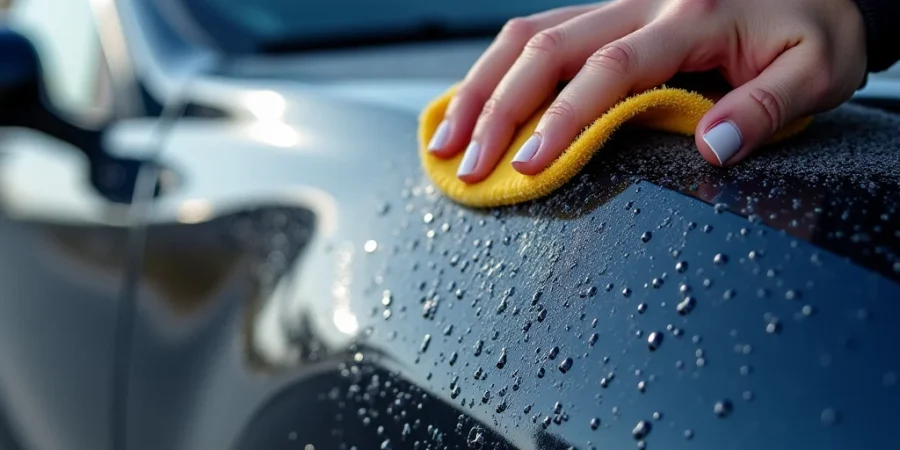
Picture this: You’re heading to a car show, and your prized vehicle is covered in a film of grime. You need a quick solution! That’s where a flash car cleaner comes in handy. This article explores everything you need to know about choosing and using the best flash car cleaner for your vehicle. You’ll explore the different types, how they work, and tips for achieving professional-looking results. By the end, you’ll be able to make informed decisions and transform your car’s appearance, improving your car care game.
What Is a Flash Car Cleaner and How Does It Work?
A flash car cleaner is a type of car detailing product designed to quickly clean a car’s exterior surfaces. Unlike traditional car washes that involve rinsing, soaping, and drying, these cleaners are formulated for a waterless or minimal-water approach. They are ideal for removing light dirt, dust, fingerprints, and other minor contaminants. These cleaners are often preferred when water access is limited, or speed and convenience are prioritized. These formulations offer a quick and easy way to maintain a vehicle’s shine and cleanliness between more thorough washes.
Types of Flash Car Cleaners
There are several types of flash car cleaners available on the market, each with its own advantages and applications. Some cleaners are designed specifically for paint, while others are versatile enough for use on glass, trim, and wheels. Knowing the different kinds will allow you to pick the best product for your vehicle’s needs.
-
Waterless Wash Cleaners
Waterless wash cleaners are formulated to lift dirt and grime from the car’s surface without the need for any water. These products usually contain lubricants and cleaning agents that encapsulate dirt particles and prevent them from scratching the paint. They’re typically sprayed onto the car and wiped off with a clean microfiber towel. These cleaners are excellent for cars that are not excessively dirty.
-
Spray Wax Detailers
Spray wax detailers provide cleaning and protection in one step. They clean the car’s surface while leaving behind a layer of wax or sealant that adds shine and protects the paint from environmental factors. These are often used as a quick touch-up after a regular wash or as a standalone cleaning method for lightly soiled vehicles. They are easy to apply and offer added shine and gloss.
-
Quick Detail Sprays
Quick detail sprays are designed to remove light contaminants, such as dust, fingerprints, and smudges, from the car’s paint. They contain lubricating agents that minimize the risk of scratches when wiping. They are commonly used as a final step after washing or as a quick cleaning solution for maintaining a freshly cleaned car. This type of cleaner is ideal for removing light dust and enhancing the car’s shine.
-
All-Purpose Cleaners
All-purpose cleaners are versatile products that can be used on various surfaces, including paint, glass, plastic, and rubber. They offer cleaning power without being overly harsh. All-purpose cleaners are suitable for spot cleaning and removing tougher stains from different car surfaces. These cleaners are ideal for quickly cleaning a wide range of surfaces without having to switch products.
The Science Behind Flash Car Cleaning
The effectiveness of a flash car cleaner depends on several factors, including the formulation of the cleaner, the type of contaminants, and the application technique. The cleaners are formulated to emulsify and lift dirt and grime from the car’s surface. They often contain surfactants, solvents, and lubricants. Understanding these elements can help you make a better choice of a product.
-
Surfactants
Surfactants reduce the surface tension of water, allowing the cleaning solution to spread easily and penetrate dirt particles. They help lift the grime off the paint surface.
-
Solvents
Solvents dissolve grease, oil, and other tough stains. Some cleaners also contain solvents that help remove tar and other stubborn residues.
-
Lubricants
Lubricants are a crucial ingredient in waterless car cleaners. They minimize friction between the microfiber towel and the car’s surface, reducing the risk of scratches. These lubricants encapsulate dirt particles, preventing them from causing damage as they are wiped away.
Choosing the Right Flash Car Cleaner
Selecting the appropriate flash car cleaner is crucial for ensuring the best results and protecting your car’s finish. Several factors can influence your choice, including the type of contaminants, the surface you are cleaning, and your desired level of protection. By considering these aspects, you can choose a product that effectively cleans and protects your vehicle. Here’s a guide to help you make a decision.
Assessing Your Car’s Needs
Before purchasing a flash car cleaner, evaluate the condition of your car. Is it lightly dusted, or is it covered in mud and grime? Knowing the extent of dirt will help you choose the right product. Consider how frequently you clean your car. If you clean your car often, a quick detail spray may be all you need.
-
Level of Dirt and Contamination
The type of dirt and the amount of it are important factors. For lightly dusty cars, a quick detail spray may suffice. Heavily soiled vehicles might require a waterless wash cleaner.
-
Surface Type
Ensure the cleaner is safe for your car’s paint, glass, plastic trim, and wheels. Choose a product that is specifically designed for your car’s surfaces to prevent damage. For example, some cleaners are suitable for paint but not for all types of plastic.
-
Desired Finish and Protection
Some cleaners provide extra protection, such as a layer of wax or sealant, that enhances the car’s shine. If you want protection, consider a spray wax detailer or a cleaner that includes wax. If your main goal is cleaning, a quick detail spray or waterless wash cleaner is suitable.
Ingredients to Look For
The formulation of a flash car cleaner plays a key role in its effectiveness and safety. Certain ingredients are essential for both cleaning and protecting your vehicle. Be sure to check the product label for the ingredients and properties, like pH. You should look for products that will not damage your vehicle’s surfaces.
-
Safe Surfactants
Look for cleaners with gentle and effective surfactants. These cleaning agents lift dirt without damaging the paint. Make sure the surfactants are safe for your car’s surface.
-
Lubricants
High-quality lubricants are necessary to reduce friction and prevent scratches. Silicone or polymer-based lubricants are often used to encapsulate dirt particles. They will make the cleaning process safer for your car.
-
UV Protection
Some cleaners include UV protectants, which can help shield the paint from sun damage and fading. This is an advantage, especially if your car is often exposed to sunlight.
-
pH Balance
A balanced pH level is essential for cleaning products. Avoid acidic or alkaline cleaners that can harm the paint. Choose cleaners with a neutral pH level for the best results.
Applying Flash Car Cleaner Like a Pro
Proper application is key to getting great results when using a flash car cleaner. Following a specific process will ensure your car is clean and undamaged. When used correctly, you can achieve a professional shine. These steps apply to most flash car cleaners. Before starting, check the product’s instructions for specific directions.
Preparation Is Key
Before beginning, prepare your car and the necessary equipment. This will ensure an efficient and safe cleaning process. Get your car ready for cleaning to achieve the best results with a flash car cleaner. A little preparation goes a long way.
-
Wash Your Car, If Needed
If your car is very dirty, consider washing it before using a flash car cleaner. This removes the bulk of the dirt and makes the cleaning process easier. A flash cleaner is best used on a relatively clean surface.
-
Gather Your Supplies
Have all necessary supplies at hand. This includes the flash car cleaner, clean microfiber towels (ideally multiple towels), and a detailing spray (optional). Having everything ready prevents interruptions.
-
Work in the Shade
Direct sunlight can cause the cleaner to dry quickly on the surface, which can lead to streaks. Applying the cleaner in a shaded area ensures that it dries evenly. Avoid cleaning the car in direct sunlight.
-
Inspect the Surface
Before applying the cleaner, examine the car’s surface for any loose debris or grit. Gently remove any large particles with a clean microfiber towel to prevent scratches.
The Application Process
The application method for a flash car cleaner is designed for efficiency and safety. Follow these steps for an effective clean. Use this as a general guideline. Some products may have specific instructions.
-
Spray the Cleaner
Spray the flash car cleaner onto a small section of the car, such as a panel or a small area of the surface. Be sure to apply a fine mist. The amount of cleaner used will depend on the product. It should be enough to cover the area without oversaturating it.
-
Wipe the Surface
Using a clean microfiber towel, gently wipe the area in a straight line or circular motion. Work in one direction to ensure even coverage and avoid leaving streaks. Ensure that you are using a clean microfiber towel.
-
Flip and Buff
Flip the microfiber towel to a clean side or use a fresh towel. Lightly buff the cleaned area to remove any remaining residue and enhance the shine. This step will help achieve a clean, polished finish. The goal is to lift and remove the remaining product.
-
Repeat and Check
Repeat the process on the rest of the car, working in small sections. Check your work to ensure all areas are clean and streak-free. Use additional towels as needed to maintain a clean cleaning surface.
Maintaining Your Car’s Shine With a Flash Car Cleaner
Regular use of a flash car cleaner will keep your car clean and well-maintained. Following some routines and precautions will help extend the life of your car’s shine. Keeping your vehicle looking its best takes effort, but the results are worthwhile.
Regular Cleaning Schedule
Establishing a routine will help keep your car’s exterior in top shape. The frequency of cleaning depends on your driving environment and usage. Develop a cleaning schedule that suits your needs.
-
Weekly or Bi-Weekly Touch-Ups
For vehicles used frequently or parked in dusty environments, a weekly or bi-weekly cleaning is beneficial. This is a great way to keep the car clean, and it prevents dirt buildup. This will maintain the car’s shine.
-
Monthly Deep Cleaning
Combine your flash car cleaner with a more thorough wash once a month. This can help remove any stubborn dirt. You can add a coat of wax or sealant to protect the car.
-
Post-Trip Cleaning
Clean your car immediately after long drives or trips through dusty areas. This helps remove bugs, road salt, and other contaminants that can damage the paint. Regular cleaning will keep the vehicle in its best shape.
Additional Tips for Extended Shine
Enhance the effectiveness of your car cleaning and extend the life of your car’s shine. Implementing a few extra steps will keep your vehicle looking its best and protect your paint. Following these tips will make car care simpler and better.
-
Microfiber Towel Care
Wash your microfiber towels separately from other laundry using a mild detergent. Avoid fabric softeners, as they can reduce the towel’s effectiveness. Washing and drying the towels regularly ensures they do not damage the paint.
-
Avoid Harsh Chemicals
Avoid harsh chemicals or abrasive cleaners that can damage your car’s finish. Always use products formulated for automotive use. Harsh chemicals can be counterproductive to the cleaning process.
-
Protect from the Elements
Park your car in a garage or under a car cover to protect it from direct sunlight, rain, and other environmental factors. This will also maintain the car’s shine. This will prevent damage from the elements.
Practical Applications and Case Studies
Real-life examples can illustrate the advantages of using a flash car cleaner. Several scenarios show the benefits of these products. Discover how these cleaners can benefit you and how to solve common car care concerns.
-
Weekend Car Show Prep
John, a car enthusiast, needed to quickly prepare his vintage car for a weekend car show. With limited time and resources, he used a flash car cleaner to remove dust and fingerprints, restoring the car’s shine in just 30 minutes. The judges complimented the car’s finish. John was delighted with the results, knowing his car looked its best for the event.
-
Daily Driver Maintenance
Sarah used a quick detail spray to keep her daily driver clean. She applied the cleaner after work, removing dust and minor road grime. It took her only 15 minutes, allowing her to keep her car looking polished. This daily care helped her maintain the car’s appearance.
-
Emergency Bug Removal
Mark was on a road trip, and his car was covered in bugs. Using a specialized bug-removing flash car cleaner, he quickly removed the insects, preventing damage to the paint. This ensured his car remained clean and protected. Mark was able to enjoy his trip without worrying about bug-related damage.
The following table compares the different flash car cleaner types:
| Cleaner Type | Main Use | Best For | Additional Features |
|---|---|---|---|
| Waterless Wash | Cleaning | Lightly dirty cars, quick cleaning | Lubrication, paint protection |
| Spray Wax Detailer | Cleaning and Protection | Lightly dirty cars, touch-ups | Wax, shine, and protection |
| Quick Detail Spray | Maintenance | Dust, smudges, light dirt | Enhance shine, lubrication |
| All-Purpose Cleaner | General Cleaning | Various surfaces, spot cleaning | Versatility |
Frequently Asked Questions
Question: Can I use a flash car cleaner on any type of car paint?
Answer: It is generally safe to use on most car paint types, but always check the product label to ensure it’s compatible with your specific finish. You should also spot-test the cleaner in a less visible area first.
Question: How often should I use a flash car cleaner?
Answer: It depends on your needs. For routine maintenance, use it once or twice per week. More intensive cleaning can be done every month.
Question: Do flash car cleaners leave scratches?
Answer: The risk of scratches is minimized with a waterless car cleaner if you use high-quality products and proper application. Ensure you are using clean microfiber towels and avoid excessive pressure.
Question: Can I use a flash car cleaner on a hot car?
Answer: It is best to avoid using flash car cleaners on a hot surface. Work in a shaded area or wait until the car has cooled down to prevent streaks and ensure even application.
Question: What’s the difference between a flash car cleaner and a regular car wash?
Answer: Flash car cleaners are designed for a quick clean without water, perfect for removing light dirt and dust. A regular car wash involves rinsing, soaping, and drying, which is more thorough but more time-consuming.
Final Thoughts
A flash car cleaner is a handy tool in the world of car care. These cleaners offer a quick and effective way to remove light dirt, dust, and contaminants, keeping your car looking its best. The range of options, from waterless washes to quick detail sprays, allows you to pick the right product for your needs. Always prepare your car and use the correct techniques for a great result. Following a regular cleaning schedule and caring for your microfiber towels will make car care easier and protect your vehicle’s appearance. With a bit of practice and the proper products, you can easily maintain a clean and shiny car. So grab your favorite cleaner, and start the process to a sparkling clean ride today!
Related News

Car Tether: Keeping Kids Safe on Every Adventure
Picture this: you’re pulling out of the driveway, ready for a fun family trip. Suddenly,Read More
Cleaning Your Car: Eliminate Car Germs and Stay Healthy
Remember that time you reached for a snack in your car, only to find crumbsRead More