Caring for Your Vibrant Wandering Jew Plant Indoors
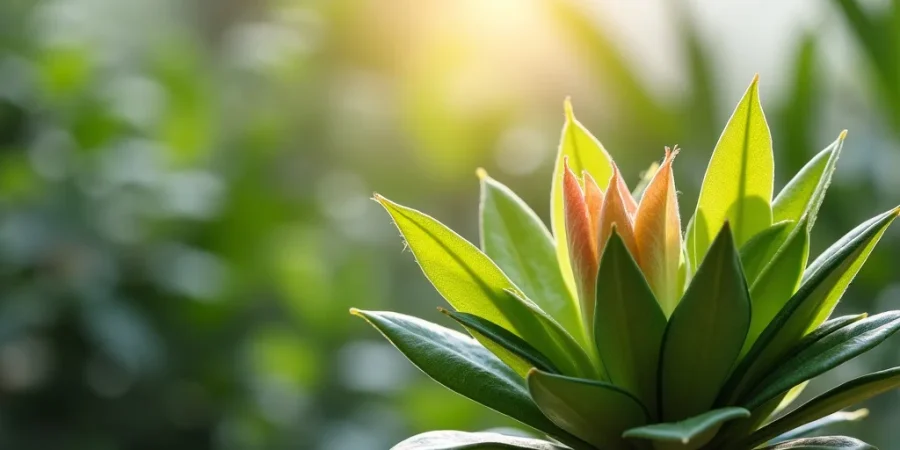
My first experience with a wandering jew plant involved a slightly neglected cutting from a friend. I remember the initial anxiety of hoping it would survive! I learned the hard way how important light and watering are. This guide provides practical steps and easy-to-follow advice to keep your wandering jew plant care routine simple and rewarding. You’ll gain the knowledge to help your plant thrive, from understanding its needs to recognizing potential problems, keeping it healthy and looking its best.
Choosing the Right Spot for Your Wandering Jew
Selecting the right location for your wandering jew is the first key step in successful plant care. These plants thrive in environments that mimic their natural habitats. They appreciate bright, indirect light, so avoiding direct sunlight is important. Direct sun can scorch the leaves, causing them to turn brown and crispy. Also consider the temperature and humidity levels in your home. Wandering jews prefer moderate temperatures and benefit from some humidity, especially during drier months.
Light Requirements for a Thriving Plant
Wandering jews flourish in bright, indirect light. Think of it like this: they want the sun’s energy, but not the direct, harsh rays. A location near an east-facing window is often ideal, as it provides gentle morning sunlight. A north-facing window might work, but you’ll likely see slower growth. If you only have south or west-facing windows, which receive stronger sunlight, you can place your plant a few feet away from the window or use a sheer curtain to filter the light. These plants will tell you if they are receiving too little light; the vibrant colors on the leaves will become less pronounced, sometimes appearing more muted green.
- Bright Indirect Light: This means sunlight that is filtered, not directly hitting the plant. Think dappled light, like what you’d find under a tree.
- East-Facing Windows: These windows provide gentle morning light, which is usually perfect for wandering jews.
- Filtered Sunlight: If you only have south or west-facing windows, use a sheer curtain to diffuse the light.
- Signs of Insufficient Light: If the leaves lose their color, this is a sign your plant needs more light.
The amount of light significantly impacts the plant’s health and appearance. Insufficient light leads to leggy growth and fading colors, while excessive direct light causes leaf burn. Finding the ideal balance is essential for vibrant foliage and a happy plant. A simple tip is to observe your plant’s response. If it’s stretching towards the light or the leaves are becoming pale, it’s likely not getting enough light. Similarly, if the leaves develop brown spots, the plant is getting too much.
Temperature and Humidity Considerations
Wandering jew plants prefer moderate temperatures and appreciate a bit of humidity. Average room temperatures between 65°F and 75°F (18°C and 24°C) are generally suitable. Avoid placing your plant near drafts, heating vents, or air conditioning units, as these can cause fluctuations in temperature and humidity, which can stress the plant. Regarding humidity, these plants thrive in slightly humid environments. In drier climates, especially during the winter months, you can use several methods to increase humidity around your plant.
- Ideal Temperature Range: Maintain temperatures between 65°F and 75°F (18°C and 24°C).
- Avoid Drafts: Keep plants away from drafts from doors, windows, and heating/cooling vents.
- Humidity Levels: Wandering jews appreciate some humidity.
- Increasing Humidity: Use a humidifier, place the plant on a pebble tray, or group it with other plants.
Humidity is a key factor in keeping your wandering jew happy. Low humidity can lead to dry, crispy leaves, and may even slow down the plant’s growth. If you don’t have a humidifier, a simple trick is to place your plant on a tray filled with pebbles and water. Make sure the bottom of the pot isn’t sitting in the water, which can cause root rot. Grouping your plant with other plants can also create a microclimate with slightly higher humidity. Regular misting, though not a substitute for proper humidity, can provide a temporary boost. Regular monitoring of the plant will help you adjust to the optimal environmental conditions.
Watering and Soil for Healthy Wandering Jew Plants
Proper watering and choosing the correct soil are critical elements of a successful wandering jew plant care regimen. Wandering jews are relatively easy to water; the main point is to avoid extremes. Overwatering can lead to root rot, which is a common problem, while underwatering causes the plant to become stressed and its leaves to droop. The soil should drain well to prevent water from sitting around the roots. Understanding your plant’s specific needs in terms of watering and soil will set the foundation for healthy growth and a vibrant appearance.
Watering Techniques and Frequency
The right watering approach helps your plant thrive. The best approach is to let the top inch or two of soil dry out before watering again. Use your finger to test the soil; if it feels dry, it’s time to water. When you water, do it thoroughly, until water drains out of the drainage holes at the bottom of the pot. This ensures that all the roots get the moisture they need. The frequency of watering will depend on several things, including the amount of light the plant receives, the size of the pot, the type of soil, and the temperature and humidity of its environment. During the growing season (spring and summer), you’ll likely need to water more often than during the dormant season (fall and winter).
- Check the Soil: Allow the top inch or two of soil to dry out before watering.
- Water Thoroughly: Water until excess water drains from the pot’s drainage holes.
- Watering Frequency: Varies based on environmental factors and season.
- Avoid Overwatering: This is one of the most common issues that leads to root rot.
The key to successful watering is observation. If your plant’s leaves start to droop, it could indicate underwatering, but it can also be a sign of overwatering. Check the soil before watering; if it’s soggy, let it dry out a bit. Overwatering is probably the leading cause of problems with wandering jew plants. It can cause root rot, which is when the roots start to decay because they’re constantly sitting in water. This prevents the plant from absorbing the nutrients it needs, leading to wilting, yellowing leaves, and eventually, the death of the plant. A healthy watering routine keeps your wandering jew vibrant.
Soil Composition and Potting
The soil you use plays an important part in the overall health of your wandering jew. It’s important to use a well-draining potting mix. A good potting mix will allow excess water to drain away, preventing waterlogging and root rot. A standard potting mix with perlite or vermiculite added to improve drainage is often a good choice. Perlite and vermiculite are lightweight materials that improve aeration and drainage in the soil. Repotting is not needed often, but a bigger pot will benefit the plant’s growth.
- Well-Draining Soil: Use a potting mix that allows water to drain freely.
- Additives: Perlite or vermiculite improve drainage and aeration.
- Repotting: Repotting is not necessary too often.
- Pot Material: Choose a pot with drainage holes.
The type of pot you use is also something to consider. Make sure the pot has drainage holes at the bottom. These holes allow excess water to escape, preventing the soil from becoming waterlogged. If your plant is getting root-bound (the roots are circling the pot), it’s time to repot it into a slightly larger container with fresh soil. This will give the roots more space to grow and provide the plant with fresh nutrients. Remember that proper soil and potting practices are key to ensuring a happy and healthy wandering jew plant.
Propagating and Maintaining Your Wandering Jew
Caring for your wandering jew is more than just watering and placing it in a good spot. Propagation allows you to create more plants from a single one, expanding your collection or sharing with others. Regular maintenance, such as pruning, helps maintain the plant’s shape and encourages new growth. Regular care creates a healthy and visually appealing plant. Through these practices, you can enjoy this plant in your home for years to come.
Simple Propagation Methods
Propagating a wandering jew plant is easy and can be done in a few different ways. The simplest method is to take stem cuttings. Find a healthy stem and cut a piece that is 4-6 inches long. Remove the leaves from the bottom inch or two of the stem and place the cutting in a glass of water. Place the glass in a location that receives bright, indirect light. In a few weeks, roots will start to develop. Once the roots are about an inch long, you can transplant the cutting into a pot with soil. Another method is to directly plant the cuttings in the soil. This is a simple option. Ensure the soil is moist and keep the cutting in a humid environment until roots establish.
- Stem Cuttings in Water: Cut a stem, remove lower leaves, and place it in water.
- Stem Cuttings in Soil: Directly plant stem cuttings into a well-draining soil mix.
- Bright, Indirect Light: Crucial for successful propagation.
- Patience: Allow time for roots to develop before transplanting.
Propagation is a rewarding process, allowing you to expand your collection of plants with minimal effort. It’s also an excellent way to share the beauty of this plant with friends and family. A key to success is patience and providing the right conditions, especially bright, indirect light and a consistently moist environment. Once the roots have established, the new plant is ready to be nurtured. You can then continue with normal wandering jew plant care routines.
Pruning and General Care
Regular pruning is an essential part of wandering jew plant maintenance. Pruning helps maintain the plant’s shape, encourages new growth, and keeps it looking full and vibrant. You can prune your plant at any time of year, but the best time is typically in the spring or summer during the growing season. Use clean, sharp scissors or pruning shears to cut stems just above a leaf node. Leaf nodes are the points on the stem where leaves or new stems grow. Pruning can also prevent the plant from becoming leggy, which is when the stems grow long and sparse with few leaves. Regular pruning keeps your plant looking its best.
- Pruning: Trim stems above leaf nodes to encourage growth and shape.
- Cleaning: Remove any dead or yellowing leaves to keep the plant healthy.
- Pest and Disease Check: Inspect the plant regularly for pests or diseases.
- Wipe the Leaves: Keep the leaves clean to help them get sunlight.
Besides pruning, there are other care practices to keep your plant healthy. You should regularly remove any dead or yellowing leaves to prevent the spread of diseases. You should also regularly check the plant for pests and diseases, which can quickly spread. Common pests include spider mites and mealybugs. If you spot any, act fast! You can often remove pests with a spray of water or a mild insecticidal soap. Wipe the leaves from time to time to remove any dust that may collect. Keeping your plant clean and pest-free will keep it thriving.
Common Problems and Their Solutions in Wandering Jew Plant Care
Even with good care, your wandering jew plant may encounter problems. Identifying these problems early and applying the right solutions is important for plant health. Problems can include pests, diseases, and environmental issues. Addressing these problems immediately helps keep the plant looking its best. With a bit of knowledge and careful observation, you can resolve these issues and restore your plant’s beauty.
Identifying and Treating Pests
Pests are a common issue for indoor plants. Spider mites and mealybugs are two pests that may bother wandering jew plants. Spider mites are tiny pests that can be hard to spot with the naked eye. Their presence may be indicated by fine webbing on the leaves and stems. Mealybugs are small, white, cottony pests that cluster on stems and in leaf joints. To manage spider mites, you can spray the plant with water to remove them, or use insecticidal soap. For mealybugs, use a cotton swab dipped in rubbing alcohol to remove them. You may also use insecticidal soap. Regular inspections can help stop infestations before they get out of hand.
- Spider Mites: Look for webbing and treat with water or insecticidal soap.
- Mealybugs: Identify by their cottony appearance; remove with rubbing alcohol or insecticidal soap.
- Regular Inspection: Check your plants regularly for early signs of pests.
- Isolate Affected Plants: To prevent pests spreading, separate any infested plants.
The key to pest control is early detection and quick action. Regular inspections allow you to identify problems before they become serious. When treating pests, always follow the instructions on any product you use, such as insecticidal soap. Consider using natural methods, such as neem oil, which is a less harsh option. If you have several plants, isolate the affected plant to prevent the spread of pests to your other plants. This keeps your plants healthy and beautiful.
Addressing Diseases and Environmental Issues
Diseases and environmental problems can affect the health of your wandering jew. One common issue is root rot, which is caused by overwatering. It’s often indicated by yellowing leaves and a musty smell from the soil. Another issue can be leaf spot disease, often caused by fungal infections. Leaf spot disease causes brown or black spots on the leaves. Environmental factors, such as too much or too little light, can also cause problems. Too much direct sunlight can scorch the leaves, while too little light can cause the plant to become leggy.
- Root Rot: Prevent by avoiding overwatering and using well-draining soil.
- Leaf Spot Disease: Improve air circulation and remove affected leaves.
- Light Issues: Adjust the plant’s location to get the right amount of light.
- Adjust Water Schedule: Change watering based on the plant’s current needs.
To deal with root rot, stop watering your plant and allow the soil to dry out. If the problem is serious, you might need to repot the plant in fresh soil. For leaf spot disease, improve air circulation around the plant, and remove any affected leaves. For issues related to light, adjust the plant’s location until the leaves regain their healthy color and the plant’s growth becomes more robust. Sometimes, simply adjusting the watering schedule to match the plant’s needs can resolve issues. Keeping an eye on these potential problems can ensure a happy and healthy plant.
Frequently Asked Questions
Question: How often should I water my wandering jew plant?
Answer: Water your wandering jew when the top inch or two of soil feels dry to the touch. The frequency depends on factors like light, pot size, and season, so regular soil checks are key.
Question: What kind of light does a wandering jew need?
Answer: Wandering jews thrive in bright, indirect light. Avoid direct sunlight, which can scorch the leaves. An east-facing window is often a good spot.
Question: How do I propagate a wandering jew plant?
Answer: The easiest way is through stem cuttings. Snip a 4-6 inch stem, remove the lower leaves, and place it in water or directly in soil. Roots will form in a few weeks.
Question: What are common problems with wandering jew plants?
Answer: Overwatering leading to root rot, pests like spider mites and mealybugs, and insufficient or excessive light exposure are the common issues.
Question: How do I get my wandering jew to look full and bushy?
Answer: Regular pruning encourages bushier growth. Trim the stems just above a leaf node to promote new shoots and maintain the desired shape.
Final Thoughts
Caring for your wandering jew plant does not have to be difficult. Understanding its needs, including light, water, and soil conditions, is the foundation. Regular monitoring, adjusting conditions as needed, and recognizing signs of distress are vital steps. Propagation is not only easy but allows you to expand your collection. These plants are resilient and generally adapt well to indoor environments. If you observe your plant and give it the care it needs, it will repay you with vibrant colors and lush foliage. Start by finding a good location, keeping an eye on the watering needs, and you will see your wandering jew flourish. Embrace the process; enjoying this plant will be a rewarding experience.
Related News

Car Tether: Keeping Kids Safe on Every Adventure
Picture this: you’re pulling out of the driveway, ready for a fun family trip. Suddenly,Read More

Cleaning Your Car: Eliminate Car Germs and Stay Healthy
Remember that time you reached for a snack in your car, only to find crumbsRead More