Fatal Maryland Crash Claims One Life Today
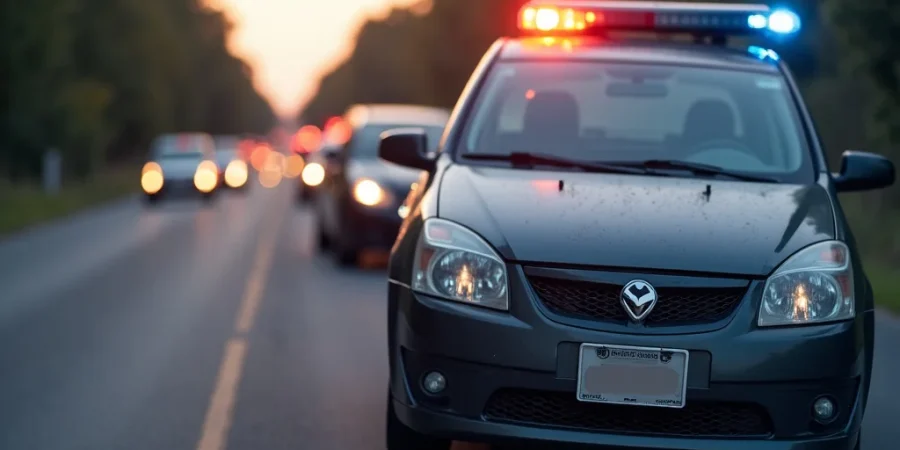
Imagine waking up to the news, the quiet morning air suddenly shattered by sirens. A fatal car crash in Maryland has occurred. This could be a friend, a neighbor, or someone you’ve never met. It’s a sobering reminder of the fragility of life and the importance of safety on our roads. This article will help you gain a better picture of the impact of these events, explore the investigative process, and show how communities respond to such tragedies. You’ll gain a deeper appreciation for the work done by first responders and the resources available to those affected. This will improve your awareness and empathy regarding such events.
The Immediate Aftermath of a Maryland Collision
The seconds and minutes following a fatal car crash in Maryland are critical. First responders, including police, firefighters, and paramedics, rush to the scene. Their primary focus is to assess the situation, secure the area, and provide medical assistance. They work to extract individuals from vehicles, stabilize the injured, and declare the death of anyone who didn’t survive. Traffic is immediately halted, and detours are established to prevent further accidents and to allow investigators to work safely. The environment is chaotic, marked by flashing lights, sirens, and the sound of emergency personnel moving with urgency. It is an extremely trying moment for everyone involved, witnesses, family, and the first responders.
Initial Response and Scene Management
The initial response involves several coordinated actions. The first police officers on the scene secure the area, ensuring the safety of those involved and preventing any tampering with evidence. Firefighters are often responsible for extracting individuals trapped inside vehicles. Paramedics assess and treat the injured, while the police begin to gather preliminary information and secure the scene. Scene management is key to preserving evidence. This can involve marking the location of vehicles, collecting debris, and documenting the overall environment. The goal is to create a safe space and to protect the integrity of the accident site for the investigation that will follow.
- Securing the area: This includes cordoning off the accident scene, setting up traffic control, and diverting traffic. The goal is to prevent further accidents and protect both the first responders and any potential witnesses.
- Providing medical assistance: Paramedics and EMTs triage the injured, providing immediate medical care and transporting them to the hospital. This phase prioritizes saving lives and stabilizing the injured.
- Vehicle Extrication: Firefighters use specialized tools to remove victims trapped within damaged vehicles. This can involve cutting metal, breaking glass, and maneuvering the vehicle to safely remove the injured.
- Preliminary Information Gathering: Police officers begin to collect basic information about the crash, including witness statements and details about the vehicles involved. This sets the stage for the formal investigation.
The Emotional Toll on First Responders
The impact of a fatal accident isn’t just physical. It takes a severe emotional toll on first responders. They see the worst of human suffering, often dealing with traumatic scenes and grief-stricken individuals. Repeated exposure to such events can lead to mental health challenges, like PTSD, anxiety, and depression. There’s a need to support the emotional well-being of these individuals. This includes providing counseling services, peer support groups, and mental health resources to help them process their experiences and maintain their own well-being. Proper support systems are vital for those who serve the community in the most challenging of times.
- Witnessing Trauma: First responders witness severe injuries, death, and the immediate aftermath of devastating events, impacting their mental health.
- Repeated Exposure: Consistent exposure to traumatic situations can lead to burnout, compassion fatigue, and other mental health challenges.
- Secondary Trauma: They may experience secondary trauma by hearing stories of the events and the suffering of victims.
Investigative Procedures in a Fatal Maryland Car Accident
Once the initial response is completed, a thorough investigation begins. The police lead the investigation, collecting evidence and determining the cause of the accident. This involves examining the vehicles involved, reviewing witness statements, and analyzing the accident scene. They work alongside accident reconstruction specialists who use advanced techniques to recreate the crash sequence. This helps determine factors such as speed, point of impact, and other contributing issues. The investigation is designed to find out all of the details about how the collision happened to give clarity to the incident.
Evidence Collection and Analysis
Evidence gathering is a vital part of the investigation. This includes collecting physical evidence like vehicle debris, skid marks, and damage patterns. Investigators photograph and document the accident scene extensively. They also analyze data from the vehicles, such as the event data recorder (EDR) or “black box.” This data provides information on speed, braking, and other relevant factors at the time of the collision. Blood samples and other forensic tests are often done to check for alcohol or drugs. The results of this analysis provide crucial information for determining the cause of the accident.
- Vehicle Inspection: Inspectors carefully examine the vehicles, noting any mechanical defects, damage, and evidence that could have caused or contributed to the accident.
- Scene Reconstruction: Accident reconstruction specialists use advanced tools and techniques to recreate the crash sequence, determining key factors like speed, point of impact, and vehicle movement.
- Forensic Testing: Toxicology tests and other forensic analyses are conducted to check for alcohol or drug use, as well as to check for any medical conditions of the drivers involved.
- Witness Interviews: Investigators collect statements from witnesses to get their perspectives on the events leading up to the crash.
Factors Considered in Determining Causation
Multiple factors may have contributed to a fatal car crash in Maryland. Investigators look at driver behavior, including speeding, distracted driving, or impairment due to alcohol or drugs. They also assess road conditions, such as weather, road design, and maintenance. Mechanical issues with vehicles, such as faulty brakes or tires, may also be contributing factors. The goal is to identify all the causes that led to the crash. This process helps to determine the at-fault party or parties. The findings also can be used to improve road safety and prevent future accidents. The process is often complex, requiring detailed examination of various elements.
A recent report by the National Highway Traffic Safety Administration (NHTSA) showed that in one year, over 42,000 people died in car accidents in the United States. Furthermore, studies show that speeding, drunk driving, and distracted driving are leading causes of these accidents. According to the Maryland Department of Transportation, motor vehicle crashes are a leading cause of death for people ages 5-34 in Maryland. In the same year, Maryland recorded over 500 fatal car crashes.
| Factor | Impact |
|---|---|
| Speeding | Increased stopping distance, reduced reaction time, and heightened crash severity. |
| Distracted Driving | Reduced driver awareness and delayed reaction times, increasing the risk of accidents. |
| Impaired Driving | Altered judgment, decreased coordination, and impaired vision, significantly raising the risk of accidents. |
Legal and Insurance Implications Following a Crash
The aftermath of a fatal crash involves legal and insurance complexities. Determining responsibility is crucial. The police investigation is the foundation for any legal claims and insurance claims. The at-fault party may face criminal charges, such as vehicular manslaughter, depending on the circumstances. Families of the deceased may pursue wrongful death claims to seek compensation for their loss. Insurance companies investigate the accident. They determine coverage and liability, often leading to negotiations or litigation. This period is a challenge, involving emotional distress and financial uncertainty.
Criminal and Civil Proceedings
The legal consequences can vary depending on the circumstances of the crash. If a driver is found to have been at fault, they may face criminal charges. These can include vehicular manslaughter or other serious offenses. In civil court, the family of the deceased can bring a wrongful death lawsuit against the at-fault driver. This suit seeks compensation for damages, such as medical bills, funeral expenses, loss of income, and emotional distress. It is a detailed process that will involve the collection of evidence and legal representation. The outcome of these legal actions can have a lasting impact on all parties involved.
- Criminal Charges: If the driver is found responsible for the accident, they might face criminal charges like vehicular manslaughter or reckless driving, depending on the severity and context of the incident.
- Wrongful Death Claims: The families of those who have died may pursue a civil suit against the driver at fault. This type of legal action seeks compensation for financial losses and emotional damages as a consequence of the crash.
- Evidence Admissibility: During legal proceedings, all evidence collected from the crash site and related investigations is presented.
Navigating Insurance Claims
Insurance claims are a key part of the process. Insurance companies are responsible for covering damages. These claims require careful investigation. The insurance company must evaluate liability, assess the damages, and determine the amount of compensation. Families must communicate with the insurance companies to file the claims and provide the necessary documentation. This can be complex, often requiring legal assistance to guarantee fairness. There are often disputes about the amount of compensation. It’s often helpful to seek legal guidance and have an attorney help deal with the insurance company.
- Filing a Claim: After a fatal car crash in Maryland, the initial step is to file an insurance claim. This usually involves contacting the insurance company.
- Policy Review: Insurance companies analyze the policy details to determine coverage, limits, and exclusions.
- Damage Assessment: Insurers assess all the damage, including property damage, medical bills, and other losses.
Community Support and Resources
In the wake of a fatal car crash in Maryland, community support and available resources become vital. Friends, family, and the wider community come together to help those who are grieving. These people support the grieving families by offering emotional support, practical assistance, and resources. There are also organizations that provide grief counseling, support groups, and other services. These resources can help families cope with their loss and begin the process of healing. Community support can make a major difference during the most difficult of times.
Grief Counseling and Support Groups
Grief counseling and support groups are essential for anyone who has lost a loved one. These resources provide a safe and supportive setting where individuals can share their feelings, grieve, and find comfort. Licensed therapists and grief counselors can offer professional guidance and tools to help people manage their grief. Support groups connect people who have experienced similar losses. They create a network of support and understanding. These programs will assist in the healing process and provide people with practical ways to deal with their emotions and begin to move forward.
- Individual Counseling: One-on-one sessions with a therapist to address the specific needs and emotions of the bereaved.
- Support Groups: Group sessions where people can share experiences, offer support, and receive empathy from others.
- Online Resources: Websites and virtual support groups offering information, guidance, and community for those grieving.
Community Initiatives and Remembrance
Communities often create initiatives and events to support healing and remembrance after a tragedy. This may include memorial services, candlelight vigils, and the creation of memorials or tributes to honor the victims. These events bring people together. They allow them to share their grief, offer support, and celebrate the lives of those lost. Initiatives like these help to promote healing. They also raise awareness about road safety to prevent future tragedies. These activities are vital in the effort to heal and honor the lives affected by such tragic events.
Frequently Asked Questions
Question: What should I do if I witness a car accident?
Answer: Immediately call 911 to report the accident. Provide accurate details about the scene, and if safe, offer assistance to those involved. Stay at the scene until law enforcement arrives.
Question: How is the cause of a car accident determined?
Answer: Accident investigators examine several aspects of the event, including vehicle damage, road conditions, witness statements, and any available video footage. They reconstruct the accident to find all contributing factors.
Question: What are some factors that often contribute to car accidents?
Answer: Some common factors that often lead to car accidents are speeding, distracted driving (e.g., texting), impaired driving (alcohol or drugs), and reckless driving. Road conditions and vehicle malfunctions can also play a role.
Question: What happens to the car after an accident?
Answer: The involved vehicles are inspected for evidence, and may be towed to a storage facility. They may be used in the investigation and can be released to the owners or insurance companies after the investigation is completed.
Question: What resources are available to the families of victims?
Answer: There are many resources available to victims’ families, including grief counseling, support groups, financial assistance, and legal aid. Community organizations and local government agencies often provide this support.
Final Thoughts
The impact of a fatal car crash in Maryland resonates far beyond the immediate scene, affecting families, first responders, and the entire community. The investigative process, involving detailed analysis and evidence collection, aims to determine the cause and hold those responsible accountable. The legal and insurance procedures are complex, and the emotional toll on everyone involved is immense. It’s during these times that community support and accessible resources become critical, providing grief counseling, support groups, and remembrance initiatives. When dealing with such tragedies, it’s essential to practice safe driving habits, stay focused, and drive responsibly. Supporting legislation and local programs can also make our roads safer. The next time you get behind the wheel, remember the human cost of these events and drive defensively.
Related News
Car Tether: Keeping Kids Safe on Every Adventure
Picture this: you’re pulling out of the driveway, ready for a fun family trip. Suddenly,Read More
Cleaning Your Car: Eliminate Car Germs and Stay Healthy
Remember that time you reached for a snack in your car, only to find crumbsRead More