Cleaning Your Car: Eliminate Car Germs and Stay Healthy
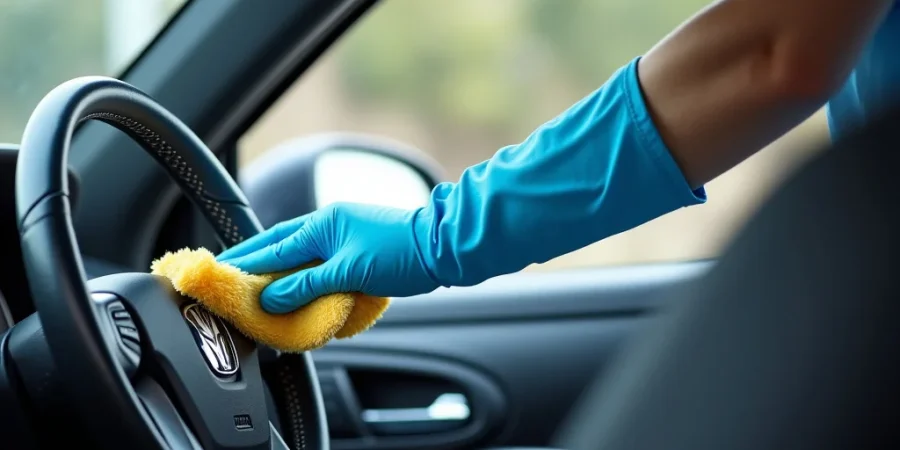
Remember that time you reached for a snack in your car, only to find crumbs everywhere? Or perhaps you’ve noticed a strange smell lingering, despite your best efforts to keep things tidy. We’ve all been there! Your car, while convenient, can be a breeding ground for car germs and other unpleasant things. This post will show you how to identify these invisible invaders and, more importantly, how to eliminate them. You’ll gain practical knowledge for a cleaner, healthier car, which will improve your overall well-being and make your driving experience much more pleasant.
The Hidden World Inside Your Vehicle
Your car, from the steering wheel to the air vents, is a collection point for various substances. Think about it: you touch door handles, eat food, and bring in groceries. Add to that the dust, pollen, and pet dander, and you’ve got a recipe for a rather unclean environment. But how many germs and bacteria are actually present? Research suggests a variety of microorganisms can be found inside your car. Exploring the sources and types of these contaminants will help you create a plan to keep your car healthy. This is why it is important to understand the different areas in your car that may harbor unhealthy substances.
Common Sources of Contamination
Several everyday actions contribute to the build-up of unwanted particles. Understanding these sources is essential for effective cleaning and prevention. Think about how often you touch the steering wheel, the gear shift, or the door handles. These high-touch areas are often overlooked but are prime real estate for germs. Food spills are another major concern, as they can attract pests and generate mold. Poor ventilation within the car allows the spread of pollutants. Knowing this helps us to formulate a proper strategy to keep the car clean.
- Human Contact: We introduce germs every time we enter the car. From our hands, we carry viruses, bacteria, and other contaminants. Regular hand washing and hand sanitizers are very important for keeping your car environment healthy.
- Food and Drinks: Crumbs, spills, and discarded packaging offer sustenance to bacteria and mold, leading to unpleasant odors and health concerns. The presence of food particles means germs have an easy food supply, allowing them to multiply.
- Airborne Particles: Dust, pollen, and other pollutants enter the vehicle through open windows or the air conditioning system. These particles can cause allergies and infections, affecting your and your passengers’ health.
- Pets: If you travel with pets, their fur, dander, and saliva can bring allergens and germs into the car. Regular cleaning and vacuuming are essential if you bring pets with you.
Types of Germs Found in Cars
Cars can contain various microscopic organisms that can have health effects. This makes identifying these and understanding how to deal with them important. While you might not see them with the naked eye, these microscopic hitchhikers can cause illness and allergies. Knowing what is present can guide your cleaning efforts and help you use the right products. Different types of germs have various effects, so knowing what to look for will help keep your car clean and safe. Consider that these germs affect everyone, especially those with sensitivities or conditions.
- Bacteria: Bacteria can cause many illnesses, including food poisoning, skin infections, and respiratory issues. These can live on surfaces for a long time. Cleaning these areas is key for preventing bacterial growth.
- Viruses: Viruses like the flu and the common cold can be transmitted through contact with surfaces in your car. Regular disinfection, especially during cold and flu season, is important to reduce the risk of infection.
- Mold and Mildew: Mold and mildew thrive in damp conditions and can cause respiratory problems, allergies, and asthma. Preventing moisture build-up and cleaning these areas will help with respiratory and allergy health.
- Dust Mites: These microscopic creatures feed on dead skin cells and can trigger allergies and asthma symptoms. Regular vacuuming and washing fabric surfaces are key to controlling dust mites.
Effective Cleaning Methods to Reduce Car Germs
Effectively cleaning your car involves more than just a quick wipe down. It requires a systematic approach that targets different areas. This will help get rid of germs and other unhealthy materials. Using the correct cleaning products and methods is key to protecting yourself and your passengers. A well-planned cleaning routine will help keep your car healthy and comfortable. The main point is to be regular with your cleaning to avoid letting things get out of hand.
Interior Cleaning Techniques
Keeping the interior clean means you will need to focus on several specific parts of your car. These include the seats, dashboard, and carpets. Vacuuming, wiping surfaces, and sanitizing high-touch points are all important. For optimal results, you need the right tools and cleaning products. A proper, targeted cleaning approach will leave your car fresh, clean, and healthy. Regular interior cleaning also makes your car’s interior last longer.
- Vacuuming: Vacuuming is the first step in interior cleaning. Use a vacuum with a hose and attachments to get into tight spaces. Vacuum seats, carpets, floor mats, and any other fabric surfaces. This removes loose dirt, crumbs, and other debris.
- Wiping Surfaces: Use a microfiber cloth and a suitable cleaner to wipe down the dashboard, door panels, steering wheel, gear shift, and other hard surfaces. This removes dirt, fingerprints, and other grime.
- Sanitizing High-Touch Areas: Use a disinfectant wipe or spray to sanitize high-touch areas. This will kill germs and prevent the spread of illness. Focus on areas such as door handles, the steering wheel, and gear shift.
- Cleaning Upholstery: For fabric seats, you can use a fabric cleaner or upholstery shampoo. For leather seats, use a leather cleaner and conditioner. This will keep your seats looking fresh and clean.
- Air Vent Cleaning: Clean the air vents to prevent the buildup of dust and mold. Use a small brush or a specialized air vent cleaner to remove any debris.
Exterior Cleaning Practices
The outside of your car also requires regular attention to eliminate dirt and other materials. From washing the car’s exterior to cleaning the wheels and tires, you’ll need the right tools. Washing your car helps maintain its appearance. It protects the paint from damage. This also removes harmful materials from the road, making the car a much safer place to drive.
- Washing: Wash your car with a car wash soap and a sponge or wash mitt. Start at the top and work your way down. Rinse thoroughly with clean water. This removes dirt, grime, and other contaminants from the exterior.
- Cleaning Wheels and Tires: Use a wheel cleaner and a brush to clean your wheels and tires. Rinse them thoroughly. This removes brake dust, dirt, and other grime.
- Glass Cleaning: Clean the windows and mirrors with glass cleaner. Use a microfiber cloth for a streak-free shine. This will improve visibility and safety while driving.
- Waxing: Apply wax to your car’s paint to protect it from the elements. Waxing also gives your car a glossy finish. Waxing creates a protective barrier for the car’s paint.
Choosing the Right Cleaning Products
Picking the right cleaning products can have a great impact on your car’s cleanliness. You can choose from a range of products designed for various parts of your car. When choosing, you should consider what types of materials you’re cleaning and what kind of car germ you want to eradicate. Knowing what is available and how to use it safely will let you clean and protect your car effectively.
Types of Cleaners
Various cleaners are designed for different surfaces and cleaning needs. Having a range of cleaning products can make cleaning easier and more effective. You can choose different formulas to work on different parts of the car. When considering your cleaning supplies, remember to factor in the specific needs of your car’s interior and exterior. This allows you to choose what is best for the situation.
- All-Purpose Cleaners: All-purpose cleaners are versatile. They can be used on many surfaces, like dashboards, door panels, and consoles. These are good for cleaning common grime. Make sure to use all-purpose cleaners that are safe for your car’s materials.
- Upholstery Cleaners: Upholstery cleaners are specially designed to clean fabric seats and carpets. These often come in spray or foam formats. They remove stains and odors. Check the cleaner’s instructions before using.
- Leather Cleaners: If your car has leather seats, use a leather cleaner and conditioner. These will help maintain the leather’s appearance. Leather cleaners keep the leather soft and prevent cracking.
- Glass Cleaners: Glass cleaners are designed to clean windows and mirrors. These products ensure a streak-free shine. Using a good glass cleaner improves visibility.
- Disinfectants: Disinfectants kill germs and bacteria. They are key for sanitizing high-touch areas. Disinfectants keep your car free of germs and bad smells.
Product Safety and Usage Tips
Using cleaning products safely will keep you and your car safe. Using the right products and following the guidelines is key to successful cleaning. Always follow the manufacturer’s directions and take caution when using these cleaning supplies. You’ll make sure your car is clean without harming anything.
- Read Labels: Always read the product label before using any cleaner. This will give you important information about safety. Follow the instructions carefully for the best results.
- Test in an Inconspicuous Area: Before applying any product to a large area, test it in an out-of-the-way spot. This allows you to make sure the cleaner doesn’t damage the surface. Try it on a small, hidden area first.
- Wear Gloves: When cleaning, wear gloves to protect your skin from cleaning chemicals. This helps you avoid direct contact with the products.
- Ensure Proper Ventilation: Make sure you have good ventilation when using cleaning products. Open the doors and windows to let fresh air in. Ventilation will reduce the chance of inhaling fumes.
- Avoid Mixing Chemicals: Never mix different cleaning products together. This can create dangerous chemical reactions. Always use each product by itself, following the instructions.
Developing a Cleaning Schedule
Making a cleaning routine will help keep your car clean and healthy. Making it a habit will ensure your vehicle stays clean year-round. A regular schedule will help prevent the buildup of dirt and germs. Knowing when to clean and what to clean will ensure you have the best results. Making cleaning a habit ensures your vehicle stays clean and safe. Consider making cleaning an integral part of your car maintenance plan.
Frequency of Cleaning
How often you clean your car depends on its use and where you go. How often you use your car, where you drive, and what you do while driving all influence cleaning frequency. Adjust your cleaning routine according to your habits. Cleaning at set intervals ensures your car stays clean and prevents the spread of germs.
- Weekly: Vacuum the interior. Wipe down the dashboard, steering wheel, and other high-touch areas. This will keep the car looking good and prevent dirt from accumulating.
- Monthly: Wash the exterior of your car. Clean the windows and mirrors. Sanitize high-touch areas with a disinfectant. This is a basic maintenance schedule that keeps your car clean.
- Quarterly: Clean the upholstery. Deep clean the interior, paying attention to hard-to-reach areas. This will get rid of tougher dirt and germs.
- Seasonal: Wash and wax your car. This protects the paint from weather changes. Seasonal cleaning will keep your car looking great for longer.
Creating a Routine
Establishing a car-cleaning routine is essential. Regular cleaning reduces the work needed to keep your car tidy and healthy. Making car cleaning a habit helps you keep your car clean. Planning the cleaning and doing it regularly will make the task less daunting. Having a schedule makes the entire process a breeze.
- Set Reminders: Use reminders on your phone or calendar. This will help you remember when to clean your car. You can also make a chart to track your cleaning tasks.
- Gather Supplies: Keep cleaning supplies in your car or garage. Having everything handy will make cleaning easier and more convenient. Having what you need makes the cleaning process much faster.
- Break Down Tasks: Break down cleaning tasks into smaller steps. This makes it easier to manage and less overwhelming. This is key to making cleaning a regular activity.
- Make It a Habit: Make cleaning your car a part of your regular routine. Do it at the same time and on the same day. Over time, it will become a natural habit.
- Involve Others: Involve your family in the cleaning process. This shares the workload. It also makes cleaning a family activity.
Addressing Specific Problem Areas
Some areas in your car need special care due to their potential to harbor germs. Each area requires a specific cleaning approach. Understanding these specific areas helps you target and eliminate germs more effectively. This ensures a healthier environment for you and your passengers.
Air Conditioning Systems
Your car’s air conditioning system can trap moisture. This encourages the growth of mold and bacteria. Cleaning the air conditioning system is key to ensuring that you breathe clean air. Cleaning the air conditioning system and keeping it in good condition ensures that it works well and is healthy. Doing this removes smells, keeps your car smelling fresh, and promotes healthy air circulation.
- Change the Cabin Air Filter: The cabin air filter removes dust, pollen, and other pollutants from the air. Replace it every 12 months or as needed. A clean filter ensures clean air is circulating in your car.
- Clean the Air Vents: Air vents can collect dust and mold. Use a brush or air vent cleaner to remove any buildup. Regular cleaning keeps the air vents clean and healthy.
- Use Air Conditioning Cleaner: Use an air conditioning cleaner to remove mold and bacteria. This will eliminate odors and improve air quality. Make sure to use a cleaner that is safe for your system.
Carpet and Floor Mats
Your car’s carpet and floor mats collect dirt, mud, and other materials. These areas also harbor germs. Keeping the carpet and floor mats clean is important for your car’s cleanliness. The cleaning process reduces the spread of unhealthy materials. Cleaning these areas will improve the appearance of your car and enhance your driving environment.
- Vacuum Regularly: Vacuum the carpet and floor mats frequently. This removes dirt and other particles. Frequent vacuuming keeps the carpets clean and in good condition.
- Wash Floor Mats: Remove the floor mats and wash them with soap and water. Allow them to dry completely before putting them back in the car. This eliminates grime and dirt, making the car cleaner.
- Use Carpet Cleaner: Use carpet cleaner to remove stains and odors. Follow the product’s instructions. Carpet cleaner makes the carpet look and smell great.
Pet-Related Cleanliness
Traveling with pets can bring specific cleaning challenges, since pets can introduce allergens and germs. Thorough cleaning helps to reduce pet-related issues and keep the car clean. Removing pet hair and allergens improves your and your passengers’ health. Cleaning your car regularly is especially important if you travel with pets.
- Vacuum Frequently: Vacuum your car’s interior. This will remove pet hair. This reduces the number of allergens in the car.
- Use Pet Hair Removal Tools: Use tools like pet hair removers or lint rollers. These make it easier to remove pet hair from the seats. You can remove stubborn pet hair from the seats with this.
- Clean Pet Bedding: If you use a pet bed in your car, clean it regularly. Wash it according to the manufacturer’s instructions. Clean bedding ensures that the car remains free of pet-related smells.
- Wipe Down Surfaces: Wipe down surfaces with a pet-safe cleaner. This will remove pet dander and saliva. This helps prevent allergy triggers.
Practical Tips for Maintaining a Clean Car
Keeping your car clean goes beyond cleaning. There are practical steps that help to keep it healthy and free of germs. These habits will make keeping your car clean easier. They also keep your car looking and feeling fresh. When you make these actions routine, keeping your car tidy is simple.
Daily Habits
Some daily habits can have a big impact on your car’s cleanliness. Small actions will prevent the buildup of dirt and germs. Implementing these habits will make cleaning much easier. These will keep your car clean with minimal effort.
- Remove Trash Regularly: Remove trash from your car every day. This prevents the buildup of odors and prevents germ growth. Simple actions like this can make a big difference.
- Wipe Down Surfaces: Wipe down high-touch surfaces daily. Focus on the steering wheel, door handles, and gear shift. Wiping down these areas will keep germs from spreading.
- Keep a Trash Bag: Keep a small trash bag in your car. This provides an easy way to discard trash. Having a trash bag encourages good cleaning habits.
- Air Out Your Car: Open the doors and windows to air out your car. This lets fresh air circulate and helps remove odors. Fresh air keeps the car feeling fresh.
Preventative Measures
Taking measures can prevent dirt and germs from entering your car. Implement these tips to reduce the work involved in cleaning. Following these preventative measures will help you have a cleaner car. These preventative habits will make maintaining a clean car easier.
- Use Floor Mats: Use floor mats to protect the carpet from dirt and spills. Choose mats that fit well and are easy to clean. Floor mats protect the car’s interior.
- Protect Seats: Use seat covers to protect your seats from spills and stains. These can be easily removed and washed. Seat covers help to preserve your car’s interior.
- Avoid Eating in the Car: Avoid eating in the car. This will limit the amount of crumbs and spills. This helps to prevent mess and reduces the need for cleaning.
- Keep Cleaning Supplies Handy: Keep cleaning supplies in your car. This makes it easier to clean up spills or messes right away. Having cleaning supplies close by encourages quick cleanups.
Examples and Scenarios
Real-life situations show the value of a clean car. These examples and scenarios will illustrate how effective these cleaning practices are. They will also provide insights into how to keep your car healthy. This is how practical cleaning practices protect you and your passengers.
- Scenario 1: Imagine you have a long commute. You regularly eat your breakfast in your car. After a few weeks, your car starts to smell, and you start sneezing more than usual. Implementing regular vacuuming, wiping down surfaces, and cleaning the air vents helps get rid of crumbs, and prevents mold growth.
- Scenario 2: You regularly take your dog to the park. Your dog sheds a lot. After each trip, the car is full of hair and odors. Vacuuming after each trip, using pet hair removal tools, and cleaning the seats and carpets ensures that your car remains free of pet-related issues.
Frequently Asked Questions
Question: How often should I clean my car?
Answer: Clean your car weekly, monthly, and quarterly, with some tasks as-needed depending on usage.
Question: What’s the best way to remove pet hair from my car?
Answer: Use a vacuum cleaner, pet hair removers, and lint rollers to get rid of pet hair.
Question: Are car air fresheners a good way to get rid of odors?
Answer: Air fresheners only mask odors. It’s best to address the source of the odor through cleaning.
Question: What should I use to clean my leather seats?
Answer: Use a leather cleaner and conditioner designed for car interiors.
Question: What’s the best way to clean my air conditioning vents?
Answer: Use a brush or air vent cleaner to get rid of dust and dirt. Change your cabin air filter.
Final Thoughts
Maintaining a clean car means more than just a tidy interior. The effort put into keeping your car clean is key to a healthier environment. By understanding the sources of car germs and adopting the cleaning methods and routines, you can make a big change. Remember that your car can be a safe and healthy space, free from unseen dangers. Use the tips and information we’ve explored to build a cleaning plan that suits your needs. By making these actions a part of your regular habits, you’re on your way to a cleaner and more comfortable driving experience. The rewards of a clean car extend far beyond appearance.
Related News

Car Tether: Keeping Kids Safe on Every Adventure
Picture this: you’re pulling out of the driveway, ready for a fun family trip. Suddenly,Read More
Cleaning Your Car: Eliminate Car Germs and Stay Healthy
Remember that time you reached for a snack in your car, only to find crumbsRead More