Car Maintenance Schedule: A Simple Guide for Vehicle Owners
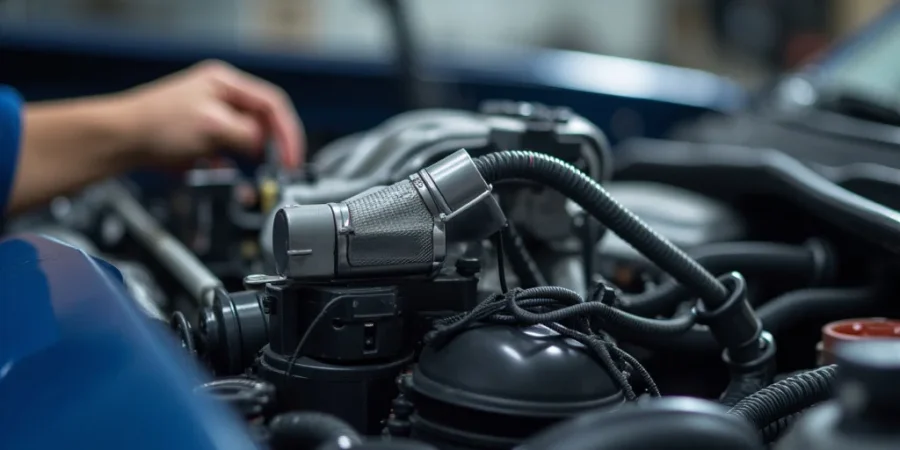
Remember that time your car coughed and sputtered on the way to school? Or maybe you were stranded on the side of the road with a flat tire, late for a big meeting? These inconvenient situations could have been avoided with a reliable car maintenance schedule. This guide will walk you through the essentials, helping you keep your vehicle running smoothly and safely. You’ll learn what to check, when to check it, and why it’s so important. By the end, you’ll feel confident about keeping your car in tip-top shape, gaining valuable knowledge to minimize repair costs and maximize the lifespan of your vehicle. Let’s explore how a well-maintained car helps you avoid problems and gives you peace of mind on the road.
Understanding the Importance of a Car Maintenance Schedule
A car maintenance schedule isn’t just about keeping your car clean; it’s a proactive approach to vehicle health. Think of it like regular doctor visits for your car. Consistent care can prevent small issues from turning into major, expensive repairs. Ignoring maintenance can lead to decreased fuel efficiency, reduced performance, and safety hazards. Moreover, proper maintenance helps preserve the resale value of your car. Neglecting the basics can depreciate your vehicle’s worth significantly. By following a maintenance plan, you ensure your car runs efficiently, extends its lifespan, and protects your investment.
Why Regular Car Service Matters
Regular vehicle service keeps your car in prime condition. From engine oil changes to tire rotations, each task serves a purpose. It’s like a symphony, where all the parts need to work in harmony. Regular care also ensures your vehicle operates efficiently, saving you money on fuel. Consider this a wise investment in your safety and the longevity of your car. Ignoring these services can cause more severe, costly issues down the road. It ensures a smoother, safer, and more reliable driving experience. It also prevents the minor issues from escalating into significant and costly repairs.
- Preventive Maintenance: Regular services catch potential problems early, avoiding expensive repairs later. A timely oil change can prevent engine damage.
- Safety First: Regular brake inspections, tire checks, and light maintenance ensure your car is safe to drive. Properly working brakes can prevent accidents.
- Maximize Lifespan: A well-maintained car lasts longer, saving you money in the long run. Regular fluid changes and component inspections can significantly extend your car’s life.
- Better Fuel Efficiency: Regular maintenance improves fuel economy, saving you money on gas. A clean air filter allows the engine to breathe easier, improving mileage.
- Resale Value: A car with a complete maintenance history fetches a higher price when you sell it. Buyers are more likely to trust a car that has been regularly serviced.
Key Components of a Car’s Maintenance Plan
Several components of your car require regular attention. Knowing what to monitor and when is essential. This includes knowing your car’s fluid levels, engine performance, tires, brakes, and other vital components. Keeping an eye on these parts can save you time, money, and stress. It can help you prevent breakdowns and costly repairs. Understanding these key areas helps you to anticipate and address potential problems before they escalate.
- Engine Oil and Filter: Regular oil changes keep your engine clean and lubricated. Change the oil and filter as recommended in your owner’s manual. Dirty oil can cause engine damage.
- Tires: Check tire pressure and tread depth regularly to ensure safe handling and fuel efficiency. Under-inflated tires wear out faster.
- Brakes: Inspect brake pads, rotors, and fluid for optimal stopping power. Worn brakes can be dangerous.
- Fluids: Monitor coolant, power steering fluid, brake fluid, and transmission fluid levels. Low fluid levels can cause damage.
- Battery: Regularly check battery terminals for corrosion, and test the battery’s charge. A dead battery can leave you stranded.
Essential Elements of a Practical Car Maintenance Schedule
Creating and following a practical car maintenance schedule makes ownership easier. It’s not about being a mechanic; it’s about being prepared. This plan should include tasks based on mileage or time intervals, tailored to your car’s needs. A good schedule should be easy to follow and accommodate your driving habits. Sticking to a schedule reduces the risk of unexpected breakdowns and boosts your car’s reliability. Making a plan doesn’t have to be complicated; it is the cornerstone of keeping your car in excellent shape.
Creating Your Vehicle’s Maintenance Chart
The first step to effective car care is developing a personal maintenance chart. This chart should include suggested service intervals and the specific tasks needed for your car. These tasks are typically based on mileage (e.g., every 5,000 miles) or time (e.g., annually). Consulting your owner’s manual is key to getting the right intervals. You can also work with a trusted mechanic to create a personalized plan. This personalized approach guarantees that you are getting the right care at the right time. A well-designed chart keeps you organized and helps you remember when services are due.
- Consult the Owner’s Manual: This document provides the manufacturer’s recommended service intervals. It’s the most reliable source of information for your specific vehicle.
- Track Mileage and Time: Determine intervals by either miles driven or time passed. Base the plan on which comes first.
- Include Essential Services: List oil changes, tire rotations, brake inspections, and fluid checks. Don’t forget other vital services.
- Use a Spreadsheet or App: Utilize a simple spreadsheet or a car maintenance app to keep track of your schedule. This will help you stay organized.
- Review and Adjust: Re-evaluate your plan periodically based on your driving habits and car’s needs. Change your plan if necessary.
Adhering to Your Personalized Car Maintenance Plan
Having a plan is only half the battle; following through is vital. The best plans are those that fit seamlessly into your life. Mark services on your calendar, set reminders, and make appointments well in advance. Consider keeping a logbook for all maintenance, documenting everything done to your vehicle. This information is invaluable when selling or for future repairs. Consistent adherence guarantees that you’ll catch potential problems early. This proactive approach saves time and money and boosts your car’s long-term health.
- Schedule Appointments: Book service appointments in advance to ensure availability. Do this when you notice services are due.
- Keep Records: Retain all service receipts and create a logbook. This shows your car’s maintenance history.
- Stay Consistent: Stick to your schedule, even if you drive infrequently. The age of components can matter.
- Inspect Regularly: Regularly check your car’s fluid levels, tire pressure, and lights. Take note of any unusual sounds or smells.
- Seek Professional Help: Consult a trusted mechanic for more complex maintenance and repairs. They can provide an expert opinion.
Detailed Guide to Car Maintenance Tasks
Let’s explore some of the specific tasks involved in keeping your car in top condition. These tasks are vital for both the longevity and safety of your car. From the basics to the more technical aspects, this section provides detailed information about each task. This deeper look will give you confidence when speaking with mechanics. This knowledge can also empower you to tackle some maintenance tasks on your own. Proper care guarantees your car remains dependable and safe.
Routine Car Service: The Regular Checks
Some car maintenance tasks are routine and need frequent attention. These include tasks like oil changes, tire rotations, and checking fluid levels. Many of these checks can be performed at home without much difficulty. Regular performance boosts safety, and prevents more significant problems. By making these checks part of your routine, you are taking a proactive step toward keeping your car in top shape. Regular attention prevents major problems and maximizes your car’s road life.
- Oil Changes: Change the oil and filter every 3,000-7,500 miles, or as recommended in your manual. Clean, fresh oil keeps the engine running smoothly.
- Tire Rotations: Rotate tires every 5,000-7,500 miles to ensure even wear. This extends tire life and improves handling.
- Fluid Checks: Regularly check the engine oil, coolant, brake fluid, power steering fluid, and windshield washer fluid. Top up as needed.
- Brake Inspections: Inspect brake pads and rotors for wear and tear. Get a professional inspection annually or when you notice issues.
- Light Checks: Check headlights, taillights, brake lights, and turn signals regularly. This guarantees visibility and safety.
Scheduled Tasks: The Bigger Services
Beyond routine checks are the scheduled maintenance tasks, which are more extensive. These often involve more mechanical work and might require a professional mechanic. Tasks include replacing filters, belts, spark plugs, and timing belts. These services prevent breakdowns and keep your car’s systems running correctly. Scheduling these services at the recommended intervals is essential. These larger services might seem less frequent, but they are essential in maintaining the overall health of your vehicle.
- Air Filter Replacement: Replace the engine air filter every 12,000-15,000 miles. A clean air filter boosts fuel efficiency and engine performance.
- Cabin Air Filter Replacement: Replace the cabin air filter annually to ensure clean air in your car. This improves air quality inside the vehicle.
- Spark Plug Replacement: Replace spark plugs as recommended by your manual. This will ensure your engine starts and runs efficiently.
- Belt Replacement: Inspect and replace belts (serpentine and timing) as necessary. Broken belts can leave you stranded.
- Transmission Fluid Change: Change the transmission fluid as recommended by your manual. Keeping it clean is vital for the transmission’s life.
Cost and Savings: The Financial Aspects of Car Care
The cost of vehicle care can be viewed as an investment, not just an expense. While maintenance costs money, they often prevent expensive repairs. The long-term savings often far outweigh the immediate costs. Understanding the finances involved lets you make informed decisions. It involves understanding the average costs of maintenance. It includes balancing your needs against your budget. Knowing these financial implications can encourage you to follow your car maintenance schedule.
Car Service Pricing and Budgeting
Vehicle maintenance costs vary based on the type of service, car, and location. Routine maintenance tasks are typically less expensive. Major services, such as replacing the timing belt, will cost more. Having a budget is essential. Ask for quotes from different mechanics to compare prices. Consider both the cost of parts and labor. With a proactive approach, you can manage your expenses and maintain your car efficiently. Preparing a budget helps you plan for expenses.
- Research Costs: Investigate local labor rates and part prices. Compare quotes from several repair shops.
- Create a Budget: Set aside money for routine and major maintenance. This allows you to plan for car expenses.
- DIY vs. Professional: Decide which tasks you can handle yourself to save money. Be realistic about your skill level.
- Factor in Unexpected Costs: Budget for unforeseen repairs. Set aside an emergency fund for unexpected expenses.
- Negotiate Prices: Do not hesitate to ask for discounts or compare prices. Look for special offers to save money.
Long-Term Benefits and Cost-Effective Solutions
Investing in your car’s maintenance can provide significant long-term financial benefits. Proper care keeps your vehicle on the road longer. It delays the need for a new car. Well-maintained cars have better fuel efficiency, which saves money. Proactive maintenance also prevents potentially costly breakdowns. In the long run, investing in regular maintenance reduces the overall cost of car ownership. Investing in car maintenance is a financially smart decision.
- Reduced Repair Costs: Preventive maintenance can prevent major repairs. This will save money.
- Improved Fuel Economy: Regular maintenance, like clean air filters, enhances fuel efficiency. This saves money on gas.
- Increased Resale Value: A well-maintained car has a higher resale value. You will make more money when you sell it.
- Prevent Breakdowns: Regular care will help you avoid the inconvenience of breakdowns. This can save you money and time.
- DIY vs. Professional: Consider doing some tasks yourself to save money, like changing your oil or checking fluids. Be certain you can handle the job, otherwise go to a professional.
Statistics
According to a recent study by CarMD, the average car repair cost in 2023 was $403. This is proof of the potential expense of neglected car care.
Another source, the National Institute for Automotive Service Excellence (ASE), indicates that following a car maintenance schedule can reduce repair costs by 30%. This demonstrates the importance of regular vehicle maintenance.
| Factor | Impact |
|---|---|
| Neglected Maintenance | Increased repair costs, potential for major breakdowns |
| Proper Maintenance | Lower repair costs, increased vehicle lifespan, improved fuel efficiency |
Frequently Asked Questions
Question: How often should I change my car’s oil?
Answer: It depends on your car and your driving habits. Most manufacturers recommend every 3,000-7,500 miles. Always check your owner’s manual for specific recommendations.
Question: What is the best way to keep track of my car’s maintenance?
Answer: Use a spreadsheet or a car maintenance app. This will allow you to maintain an accurate and complete record of maintenance performed on your car. Record keeping is essential.
Question: Are there any services I can perform myself to save money?
Answer: Yes, you can do some things yourself, like changing your air filter, topping off fluids, and checking tire pressure. However, for more complex tasks, it’s best to consult a professional.
Question: How can I tell if my car’s brakes need attention?
Answer: Listen for squealing or grinding noises when braking. Also, pay attention to vibrations or if the car pulls to one side when braking. If you experience these, get your brakes inspected immediately.
Question: What is the benefit of following a car maintenance schedule?
Answer: Adhering to a schedule helps prevent breakdowns, extends the life of your car, and improves fuel efficiency. Following a plan saves you money in the long run and helps maintain your car’s value.
Final Thoughts
Proper car care is more than just an expense; it is a vital investment in your vehicle’s longevity, safety, and performance. By creating and sticking to a detailed car maintenance schedule, you take charge of your vehicle’s health. You will find that regular maintenance will prevent problems and save you money in the long run. By making a plan, you’re not just maintaining a car; you’re safeguarding your investment and ensuring you are safe on the road. Embrace a proactive attitude to car care and start today! Your car (and your wallet) will thank you.
Related News

Car Tether: Keeping Kids Safe on Every Adventure
Picture this: you’re pulling out of the driveway, ready for a fun family trip. Suddenly,Read More

Cleaning Your Car: Eliminate Car Germs and Stay Healthy
Remember that time you reached for a snack in your car, only to find crumbsRead More