Choosing the Best Car Cleaning Water for Sparkling Results
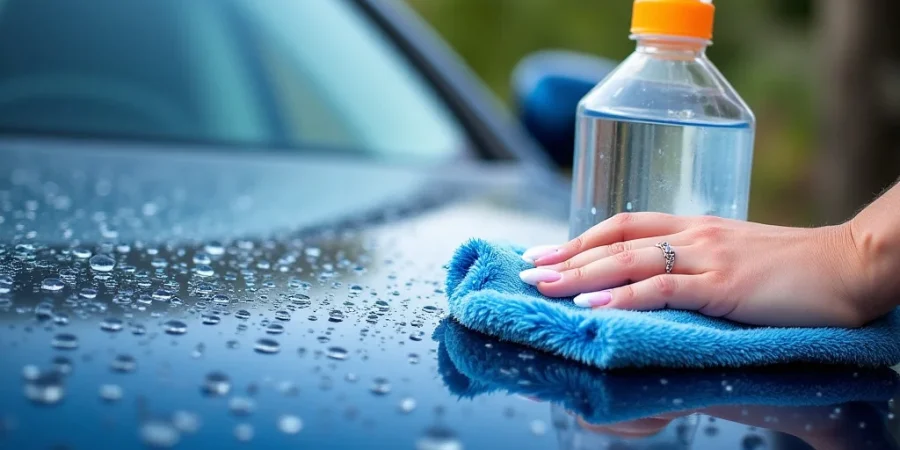
Picture this: you’ve just finished a fantastic road trip, but now your car is covered in dirt, grime, and bug splatters. You know a good wash is needed, but which car cleaning water is the right choice? It might seem simple, but the water you use significantly impacts the final shine and the longevity of your car’s paint. This post will explore the different types of water used in car detailing, the benefits of each, and how to choose the best option to keep your vehicle looking its absolute best. You’ll learn how to avoid streaks and spots, and understand how water quality affects the cleaning process. This will help you make informed decisions, improve your car washing results, and save money in the long run.
Types of Water Used for Car Washing
The type of water you use when washing your car can make a huge difference in the outcome. While tap water is the easiest option, it contains minerals that can leave spots and streaks. Various filtration methods and treatment processes are available to improve the water quality and get the best results. The following sections will look at the most common types of water used for car detailing.
Tap Water and Its Limitations
Tap water, readily available in most homes, is often the go-to choice for washing a car. However, tap water is typically full of minerals, such as calcium and magnesium, which contribute to water hardness. These minerals, when left behind after the water evaporates, can create unsightly water spots on your car’s paint. These spots aren’t just an aesthetic issue; over time, the mineral deposits can etch into the clear coat, especially in sunlight. Furthermore, tap water may contain chlorine, added to sanitize it, which can be harsh on car wax and sealant. The use of tap water may also cause issues with spotting that can necessitate additional efforts to correct the issue.
- Hard Water: The primary issue with tap water is its hardness. Water hardness is a measure of the mineral content in the water, specifically calcium and magnesium. Hard water leaves behind mineral deposits after evaporation, causing water spots. The severity of the water spots depends on the water’s hardness level.
- Chlorine Content: Tap water is often treated with chlorine to kill bacteria and make it safe for drinking. This chlorine can sometimes react with the car wax and sealants, potentially degrading their effectiveness over time.
- Mineral Deposits: Even if the water isn’t particularly hard, it contains other minerals and impurities. These impurities can leave residue on your car’s surface. This residue interferes with the cleaning process.
The average total hardness of water in the United States is around 160 parts per million (ppm). This statistic highlights the widespread issue of hard water and why it’s a common problem for car washing.
Soft Water: A Better Option
Soft water is tap water that has been treated to remove or reduce the mineral content. This process typically involves a water softener, which
- Reduced Mineral Content: The main advantage of soft water is its reduced mineral content, which significantly lowers the chances of water spots forming on your car’s surface. This makes the drying process much simpler and more effective.
- Enhanced Cleaning: Soft water improves the effectiveness of car wash soap. Soaps lather and rinse much better when used with soft water. It can also help lift dirt and grime off the surface of your vehicle.
- Better for Soap and Wax: Soft water enhances the performance of car wash soaps and waxes. It prevents the minerals from interfering with the soap’s cleaning action and helps the wax bond properly to the paint.
Using soft water can dramatically improve the final results of your car wash. It will cut down the time you spend drying your car and ensure a cleaner, shinier finish. This will also protect your car’s paint over the long term.
Using Deionized Water for Car Cleaning Water
Deionized (DI) water is the purest form of water available. It has gone through a process called deionization, which removes almost all of the mineral ions from the water. This includes calcium, magnesium, sodium, chloride, and sulfate. DI water is ideal for car washing because it leaves no spots or streaks, ensuring a flawless finish. Many car detailing enthusiasts choose this method to get the best possible results. The deionization process can be done at home using specialized filters or purchased as a pre-made solution.
- Spot-Free Rinsing: The biggest benefit of DI water is its ability to rinse your car completely spot-free. Because there are virtually no dissolved minerals, there is nothing left behind as the water evaporates.
- Enhanced Shine: By eliminating the mineral content, DI water allows the car’s paint to reflect light more evenly, leading to a much brighter and deeper shine.
- Ideal for Drying: With DI water, there’s no need to quickly dry your car to prevent water spots. You can let the water sheet off the surface, or, for faster results, use a microfiber towel.
The purity of DI water makes it an excellent choice for a showroom-quality finish on your vehicle. It is especially useful for those who want to achieve the absolute best results from their car detailing efforts.
Distilled Water as Car Cleaning Water
Distilled water is created by boiling water and collecting the steam, which is then condensed back into liquid form. This process removes minerals and impurities, making it a viable option for washing cars. However, while distilled water is purer than tap water, it may not be as pure as DI water. It can still contain some impurities, depending on the distillation process. Distilled water is readily available in most stores, making it easy to use for car washing. It’s usually a cost-effective option for obtaining cleaner water without the need for extensive equipment.
- Removal of Impurities: The distillation process removes many impurities from the water, which reduces the chances of water spots and streaks forming on your car’s paint.
- Improved Cleaning Results: Using distilled water can improve your cleaning results as it can help prevent the accumulation of mineral residue.
- Good for Final Rinse: Distilled water is a good option for the final rinse. This helps to remove any remaining soap or cleaning products from the car’s surface.
Although it might not be the most pure water available, distilled water offers a significant improvement over tap water for car washing. The result is a cleaner surface and a reduction in the potential for water spot formation.
Choosing the Right Car Cleaning Water for Your Needs
Selecting the right type of water for washing your car depends on several factors, including your budget, desired results, and how often you wash your car. Each type of water has its pros and cons, and the best choice will depend on your specific needs and priorities. Consider these elements when deciding which car cleaning water to use.
Cost Considerations
Cost is a key factor when choosing your car cleaning water. Tap water is the most inexpensive option, but it requires extra effort to prevent water spots. Soft water is a step up in cost, and requires a water softener. Deionized water is more costly because it requires the purchase of filters or DI water systems. Distilled water is generally more affordable than deionized water but will still cost more than tap water. Making a decision that aligns with your budget and still offers the results you want can be beneficial.
- Tap Water: The cheapest choice, readily available, but can lead to water spots.
- Soft Water: Moderate cost, requires a water softener system.
- Deionized Water: Higher cost, requires specialized filters or systems.
- Distilled Water: More expensive than tap water but less than deionized water.
When making your decision, think about both the initial investment and ongoing costs, like filter replacements or electricity.
Quality of Results
The quality of your car wash results will heavily depend on the water you choose. Tap water often leaves water spots, which reduce the overall shine. Soft water gives better results. Deionized water gives the best, spot-free finish. Distilled water is also an improvement over tap water, as it reduces water spots. The cleanliness of the car after washing is a significant factor in your decision. The goal is to obtain the maximum shine and protect your car’s paint. The best results usually require a higher-quality water source.
- Tap Water: May leave water spots.
- Soft Water: Better, fewer spots.
- Deionized Water: Best, spot-free.
- Distilled Water: Improved from tap water, fewer spots.
For the best results, especially when using high-quality car wash soaps and waxes, opt for deionized or distilled water.
Frequency of Car Washing
How often you wash your car impacts your water choice. If you wash your car frequently, using a higher-quality water source might be more beneficial. The effort to wash the car will be made easier by higher-quality water. If you only wash your car occasionally, tap water may be sufficient. Consider the maintenance time and effort. Regular car washes are important for protecting the paint and keeping your car looking its best. The best choice is often dictated by frequency and the effort you want to invest.
- Infrequent Washing: Tap or soft water may suffice.
- Frequent Washing: Deionized or distilled water is more beneficial.
Washing your car regularly with the appropriate water ensures it stays clean and the paint stays in great condition.
The Car Washing Process with Different Water Types
How you use the water is just as important as the water itself. This section explores different techniques for washing your car using the water types discussed above. The steps outlined here will help you achieve the best possible results. Proper technique reduces the chances of water spots and ensures a clean finish. The goal is to minimize imperfections and maximize shine and paint protection. Understanding each step can help you perfect your car washing routine.
Washing with Tap Water
Washing with tap water is the most basic process. Because tap water often contains minerals, some extra steps are required. This process is appropriate for a quick wash. You can also improve results when using tap water.
- Preparation: Rinse the car thoroughly with tap water to remove loose dirt and debris.
- Soap Application: Apply car wash soap using a wash mitt or sponge. Focus on cleaning one section at a time.
- Rinsing: Thoroughly rinse the car to remove all soap residue.
- Drying: Immediately dry the car with a clean microfiber towel to prevent water spots. Be sure to dry the car as quickly as possible.
Using the proper washing technique, even with tap water, can produce acceptable results. However, water spots remain a common challenge with this method. Drying your car quickly is critical to preventing water spots when using tap water.
Washing with Soft Water
Soft water will reduce water spots. It makes the washing process easier and improves your washing results. Soft water will also improve how the soap performs. Here are the steps for washing with soft water.
- Preparation: Rinse the car with soft water to remove loose debris.
- Soap Application: Apply car wash soap using a wash mitt or sponge.
- Rinsing: Rinse the car thoroughly with soft water.
- Drying: Dry the car with a clean microfiber towel. It will usually be easier to dry the car because the water contains fewer minerals.
The reduced mineral content of soft water makes it easier to clean your car and helps prevent water spots. It also increases the effectiveness of your car wash soap and wax.
Washing with Deionized Water
Washing with deionized water is the best method for achieving a spot-free finish. You don’t have to dry the car as quickly as you would with tap water. Here are the steps involved.
- Preparation: Rinse the car with deionized water to remove loose dirt and debris.
- Soap Application: Apply car wash soap using a wash mitt or sponge.
- Rinsing: Rinse the car thoroughly with deionized water.
- Drying (Optional): Because deionized water leaves no residue, drying the car is optional, but it is recommended to help maintain the best possible result. You can use a clean microfiber towel to dry the car, or you can allow the water to sheet off the surface.
Using deionized water gives the best results because it eliminates water spots. This gives the car a deep shine.
Washing with Distilled Water
Distilled water provides better results than tap water. It has fewer impurities, reducing the formation of water spots. Following these steps helps make the process simple and effective.
- Preparation: Rinse the car with distilled water to remove loose dirt and debris.
- Soap Application: Apply car wash soap using a wash mitt or sponge.
- Rinsing: Rinse the car thoroughly with distilled water.
- Drying: Dry the car with a clean microfiber towel.
This process reduces the likelihood of water spots, resulting in a cleaner and shinier finish. Distilled water gives a noticeable improvement over tap water.
Advanced Techniques and Additional Tips
In addition to choosing the right water type, using advanced techniques can help you achieve the best results. These tips and tricks will further refine your car washing routine. These techniques offer even better results, leading to an extremely clean finish.
The Two-Bucket Method
The two-bucket method is a key way to minimize scratches during a wash. This technique helps you avoid transferring dirt and grime back to your car’s surface. A clean wash mitt keeps you from scratching the paint. This simple process can significantly impact your car’s final appearance.
- Bucket 1 (Wash Bucket): Fill with car wash soap and water. This is where you will dip your wash mitt to get soap.
- Bucket 2 (Rinse Bucket): Fill with plain water. This is used to rinse your wash mitt after washing a section of your car. The rinse bucket helps remove dirt.
- The Process: Dip your wash mitt into the wash bucket, apply soap to the car, and then rinse your wash mitt in the rinse bucket before returning to the wash bucket.
The two-bucket method will keep the dirt particles away from your wash mitt. It prevents scratches during the wash process.
Using a Water Filter
Investing in a water filter can significantly improve the quality of your water. Various filter types are available, including those that connect to a hose and whole-house systems. These filters can help reduce the levels of minerals, sediment, and other impurities in your water. These systems can have a lasting positive effect. Water filters can enhance your car wash results. Consider these options to ensure the best possible water for washing your car.
- Hose-Connected Filters: These filters attach to your hose and filter the water as it passes through.
- Whole-House Filters: These filters are installed at your home’s water inlet, providing filtered water throughout your entire house.
- Benefits: Reduces water spots, improves cleaning results, and extends the life of car wax and sealants.
Using a water filter can improve the quality of your car wash. It protects your car’s paint from mineral deposits and other impurities.
Drying Techniques
Proper drying techniques are key to preventing water spots, even when you use high-quality water. Consider these drying methods to get the best results. Proper drying will improve your car’s shine.
- Microfiber Towels: Use high-quality microfiber towels to gently absorb water without scratching the paint.
- Drying Aids: Spray-on drying aids can help to sheet the water off your car’s surface.
- Air Dryers: Consider using a car dryer to blow water off the surface of your car to help reduce water spots.
Drying your car correctly is vital to preventing water spots. Make sure to use clean microfiber towels and drying aids for the best results.
Using a Water Softener for Car Cleaning Water
If you’re using tap water, a water softener is a good investment. It can effectively reduce the mineral content. This reduces the chances of water spots and streaks forming on your car’s paint. Using a water softener can protect your car’s finish. These systems are available in different sizes and with different features. Choosing the right water softener for your needs ensures a good car wash experience.
- Water Softener Types: There are both whole-house and portable water softeners.
- Benefits: Reduced water spots, improved soap lather, and better wax performance.
- Installation: Professional installation is recommended for whole-house systems. Portable systems are easier to install.
A water softener can make a huge difference in your car wash results. It is an investment that will pay off with a cleaner, shinier finish.
Frequently Asked Questions
Question: Is tap water okay to wash my car?
Answer: Yes, tap water can be used, but it often contains minerals that can leave water spots. Using soft, distilled, or deionized water will give you better results.
Question: What is the best water for washing a black car?
Answer: Deionized or distilled water is best for black cars. These water types leave no spots. They enhance the deep, rich shine of black paint.
Question: How often should I wash my car?
Answer: The frequency of washing depends on where you live and how you use your car. Wash as often as needed to keep it clean, typically every one to two weeks.
Question: Can I use dish soap to wash my car?
Answer: It’s not ideal. Dish soap is too harsh for car paint and can strip away wax and sealants. Using a car-specific wash soap will protect the paint.
Question: How do I remove water spots from my car?
Answer: If you have water spots, you can use a water spot remover. Always follow the product’s directions. You can also use a clay bar. Then, apply a wax or sealant to protect the paint.
Final Thoughts
Selecting the right car cleaning water is a critical step in achieving the desired results for your car’s finish. From basic tap water to more advanced options such as deionized water, understanding the benefits and drawbacks of each type allows you to make an informed choice that matches your needs and budget. The water you use directly affects the appearance and protection of your vehicle. By considering elements like cost, the quality of results, and washing frequency, you can tailor your car care routine. This will help you achieve a spotless and protected finish. Remember to combine the right water with proper washing techniques, and you’ll be well on your way to enjoying a consistently clean and shiny car. So next time you grab the hose, make a conscious choice about your car cleaning water and enjoy the rewarding results!
Related News

Car Tether: Keeping Kids Safe on Every Adventure
Picture this: you’re pulling out of the driveway, ready for a fun family trip. Suddenly,Read More
Cleaning Your Car: Eliminate Car Germs and Stay Healthy
Remember that time you reached for a snack in your car, only to find crumbsRead More