Bumper Car Basics: Rules, Types, and Fun for All Ages
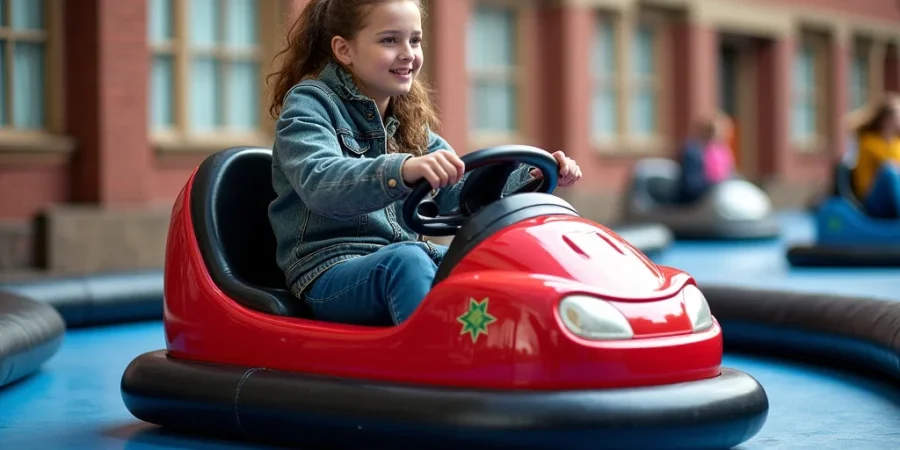
Remember that exhilarating feeling of being a kid, strapped into a bumper car, and the pure joy of bumping into friends? That feeling is something many of us still cherish. This blog post explores everything about bumper car rides, from their history to the different types available today. You’ll gain a deeper appreciation for this classic amusement park staple and learn some interesting facts to impress your friends. Get ready to explore the exciting universe of bumper cars and discover what makes them so much fun!
The History and Evolution of Bumper Cars
The story of the bumper car begins in the early 20th century, a time of innovation and excitement. Imagine a world just beginning to understand electricity and the possibilities of mechanical amusement. The first bumper cars, known as dodgems, were created by a man named Max Stoehrer, a German inventor who pioneered the concept. These early models, were a far cry from the sleek, modern versions we know. They utilized a system of electricity conducted through the floor and ceiling, allowing cars to operate in a controlled environment. Initially, they were a thrilling spectacle, captivating audiences with their chaotic charm. This innovation quickly spread, evolving with improved safety and design elements, and quickly became a staple in amusement parks and carnivals around the globe.
Early Designs and Engineering
The earliest bumper cars, while rudimentary by today’s standards, were a marvel of their time. The initial designs focused on practicality and a degree of inherent safety. The cars themselves were typically constructed of durable metal frames, with rubber bumpers strategically placed around the vehicle’s perimeter to absorb the impact of collisions. The electrical system was a major engineering feat, with a network of overhead wires and floor grids powering the cars. Steering was achieved using a simple system of wheels and levers. These early dodgems, as they were often called, helped to cement the concept’s place in the amusement world. Early safety was a major concern for the first bumper car designers.
- The Overhead System: This was a key element. It usually involved a long pole extending from the car to connect to the overhead electrical grid. This is how the car got its power and allowed it to move.
- Floor-Powered Variants: Some designs used a power system through the floor, a metal grid that the cars made contact with to get the necessary power.
- Basic Chassis and Body: The structure of the car was fairly simple. It was built around a steel frame covered in sheet metal, and later other materials like fiberglass.
- Rubber Bumpers: These were the main safety feature. They were designed to absorb impacts and prevent serious injury. Early versions often used thick rubber tubes.
- Simple Steering and Controls: The controls were straightforward, a steering wheel and a pedal for acceleration and braking.
Technological Advancements Over Time
As technology advanced, so did the design of the bumper car. The shift to more reliable electrical systems, improvements in chassis construction, and the use of safer materials marked considerable progress. The introduction of more sophisticated steering mechanisms, enhanced braking systems, and better bumper designs also contributed to the increased safety and fun of the ride. Furthermore, the advent of new materials such as fiberglass and stronger plastics allowed for the creation of more visually appealing and durable cars. These changes enhanced the user experience and played a significant role in helping to make the bumper car a long-lasting amusement attraction.
- Material Upgrades: The use of fiberglass and plastics allowed manufacturers to build lighter, stronger and more durable cars.
- Improved Electrical Systems: More reliable and safer electrical systems were developed. These advancements significantly reduced the risk of electrical hazards and mechanical failures.
- Enhanced Safety Features: Seat belts, padded interiors, and improved bumper designs were all introduced to make the ride safer.
- Control System Evolution: Steering and control systems developed with the times. They started to offer more responsive and intuitive driving experiences.
- Design Evolution: The aesthetics of the cars evolved from basic to more attractive designs. This included creative themes and color schemes.
Types of Bumper Cars and Their Features
Today, there are several different types of bumper cars, each offering unique features and experiences. From the traditional electric models to more modern versions, such as those powered by gas or even battery, the variety ensures there’s a bumper car ride for every amusement park. Each type comes with its own set of characteristics, catering to different preferences and setting. Exploring the variations and understanding their key features will give you a better sense of what each offers and what makes them unique.
Electric Bumper Cars: The Classics
Electric bumper cars are the most common type. They use electricity to power the motors, usually by connecting to a grid above the track, similar to the first designs. These cars provide a reliable and consistent experience. They are relatively easy to maintain and are generally considered safe, with the electricity conducted via a pole that connects to an overhead grid. They’re well-suited for both indoor and outdoor venues. Electric models continue to be popular due to their straightforward design and reliable performance. This makes them a mainstay in the amusement industry.
- Power Source: Driven by electric motors, typically drawing power from an overhead grid through a pole.
- Speed and Handling: Designed for slower speeds to focus on bumping and less on speed. Handling is typically straightforward, with simple steering mechanisms.
- Safety Features: Equipped with rubber bumpers, seat belts, and padded interiors to ensure rider safety.
- Maintenance: Routine maintenance includes checking electrical connections, motor performance, and the condition of the tires and bumpers.
- Environmental Impact: Tend to be more environmentally friendly as they produce zero emissions during operation.
Gas-Powered Bumper Cars: A Powerful Alternative
Gas-powered bumper cars bring a different dimension to the classic amusement. Powered by gasoline engines, these cars offer a more powerful and sometimes faster ride. The maintenance needs for gas-powered cars is often more complex, requiring more attention to engine mechanics and fuel systems. They’re usually found in larger spaces to allow for a more open course and quicker speeds. Gas-powered models may offer a different experience compared to their electric counterparts. However, noise and air quality could be a concern with the use of internal combustion engines.
- Power Source: Uses gasoline engines to power the cars, providing more speed and power.
- Speed and Handling: These cars can often move at faster speeds compared to electric models, which can add to the excitement.
- Safety Features: Similar to electric cars, safety features include bumpers, seat belts, and padding.
- Maintenance: Gas-powered cars demand more maintenance, including regular engine checkups, fuel system maintenance, and spark plug changes.
- Environmental Impact: Since they use gasoline, they create emissions and can contribute to air pollution.
Other Varieties and Special Designs
Beyond the typical electric and gas models, innovative designs and special types of bumper cars have appeared. These might include versions designed for specific age groups, those with unique themes, or cars with enhanced features. Manufacturers often experiment with different materials, control systems, and visual elements to create unique experiences. These diverse types broaden the appeal and bring new enjoyment to the riders. These special designs show how the bumper car continues to develop and improve its fun-factor.
- Battery-Powered Cars: They offer the convenience of electric cars but are not tethered to an overhead grid. These types often provide a quieter ride.
- Themed Cars: Some rides feature themed cars, like cars that look like animals or popular cartoon characters. This increases the visual appeal and adds to the experience.
- Age-Specific Designs: Some amusement centers offer smaller cars designed for younger children. These cars often have simplified controls and are built to be safer.
- Enhanced Features: Some bumper cars have extra features like LED lights, sound effects, or even interactive elements that add to the fun.
- Water Bumper Cars: These operate on water, adding a unique experience. They are normally steered with a joystick and have water guns.
Safety and Rules for Bumper Car Fun
Safety is a priority when enjoying bumper car rides. While the experience is fun, there are guidelines and measures in place to ensure all riders are safe and protected. Understanding these safety features will help you enjoy the rides and promote a safe environment. From age restrictions and weight limits to proper riding habits, these practices ensure a safe and entertaining experience for everyone.
Understanding Safety Features
Modern bumper cars have many safety features. They usually have padded interiors, seat belts, and robust bumpers made to absorb impacts. The ride’s structure, the materials used, and the design all play important parts in keeping riders safe. These features are regularly inspected and maintained, ensuring that the rides work as designed to provide enjoyment.
- Rubber Bumpers: These are the most important part of the car’s design to absorb shocks and minimize the force of impacts. They are positioned around the car and can range in size and thickness.
- Seat Belts: They ensure that riders are securely seated in the car. This prevents them from being thrown around in the event of a collision.
- Padded Interiors: Padding is used in key areas such as the steering wheel and the dashboard. This reduces the risk of injury if a rider comes into contact with these surfaces during an impact.
- Speed Control: Bumper car tracks often have a speed limit to control how fast the cars can move. This helps to reduce the forces of collisions.
- Emergency Stop Mechanisms: The ride operators have a way to stop all the cars on the track. This is crucial during emergencies to prevent additional accidents.
Rules and Guidelines for Safe Riding
Following the rules and guidelines is essential to enjoy a safe and fun bumper car ride. This involves following the ride operator’s instructions, adhering to age and height restrictions, and behaving in a way that respects others. Respecting these rules provides a safe experience for every rider. By following these rules, people can make the most of the excitement.
- Age and Height Restrictions: Rides have rules to make sure all riders meet the minimum age or height requirements. These rules are put in place to ensure safety and prevent potential injuries.
- Following Instructions: Riders should pay attention to any instructions or directions from the ride operators. These can relate to how to get into the car and when to start or stop.
- Seat Belt Use: Seat belts must be fastened properly before the ride begins. They offer protection by keeping riders secure during collisions.
- Keeping Hands and Feet Inside: Riders should keep their hands, arms, feet, and legs inside the car during the ride. This prevents potential injuries from collisions or from contacting the track.
- Respectful Behavior: Riders should behave respectfully toward other riders and not try to crash into others intentionally. The goal is to enjoy the ride without putting others at risk.
Addressing Common Concerns
There are some common safety questions about bumper cars that people often have, such as the risk of injury and how the rides are maintained. Amusement parks take these issues seriously, often conducting regular inspections and maintenance to ensure their rides’ safety. Knowing how parks work to maintain safety helps to clear up any concerns about the fun of the bumper car ride.
- Risk of Injury: Though injuries are rare, minor bumps and bruises can occur. Seat belts, padding, and controlled speed minimize this risk.
- Ride Maintenance: Regular maintenance, safety inspections, and the condition of the cars and the track are key aspects of ensuring all rides run safely.
- Operator Training: Ride operators receive training in ride operation and safety protocols. They also know what to do in case of emergencies.
- Emergency Procedures: Every amusement park has emergency procedures to respond to problems and accidents. This includes first aid and the use of the emergency stop mechanism.
- Insurance and Liability: Amusement parks have insurance that covers any accidents. They also have systems to handle liability issues effectively.
Fun and Etiquette: Making the Most of Bumper Car Rides
To enjoy the bumper car ride to the fullest, a bit of respect, some helpful tactics, and a good attitude can go a long way. Understanding the basic etiquette helps ensure that all riders have a great time and are able to make the most of the ride. By exploring the elements that enhance the fun, you can make the most of your bumper car experience and create lasting memories.
Maximizing the Fun: Tips and Tricks
Making the most of your bumper car ride involves strategic bumping and having fun. Knowing how to steer and maneuver within the space can help you have a greater experience. Keeping your focus and using the ride’s mechanics smartly allows you to enjoy every moment, creating memories.
- Master the Controls: Spend a few moments getting used to the steering and acceleration. This will help you steer more effectively.
- Strategic Bumping: Timing your bumps and choosing targets can create more exciting interactions. Aim for a gentle bump.
- Stay Aware: Pay attention to other riders and their movements. Watch out for potential collisions, but don’t take it too seriously.
- Enjoy the Thrill: Laugh, scream, and enjoy the experience. This ride is all about having fun.
- Vary Your Tactics: Adjust your approach from ride to ride. Try different ways of driving to keep it engaging.
Bumper Car Etiquette: Respecting Others
Being respectful of other riders guarantees everyone enjoys the experience. This includes not bumping excessively or behaving aggressively. It also involves being mindful of the space and being kind to others. Doing so helps to keep the environment fun and safe for all.
- Avoid Excessive Bumping: Keep bumps light and avoid intentionally targeting or trapping other riders.
- Respect Personal Space: Give other riders space and avoid crowding or blocking their paths.
- Be Mindful of Children: Watch out for younger children.
- Follow Instructions: Listen to the ride operators.
- Have Fun and Be Considerate: Remember that it’s all about having a good time. A friendly attitude can make the ride more enjoyable for everyone.
Creating Memorable Experiences
Bumper cars can create lasting memories. Taking pictures, videos, and riding with friends enhances the excitement of the moment. These small additions can turn a simple ride into something special and create memories.
- Ride with Friends: Sharing the ride with friends or family adds to the social aspect and makes the experience more fun.
- Capture the Moment: Photos and videos help to preserve the fun.
- Embrace the Atmosphere: Take in the lights, sounds, and excitement of the amusement park.
- Celebrate the Small Moments: The shared laughter and surprise from each bump.
- Repeat Rides: Taking several rides in a row is a great way to enjoy the experience.
Frequently Asked Questions
Question: Are bumper cars safe for young children?
Answer: Yes, but it depends on the child’s age and height. Most parks have minimum requirements, and younger children should ride with a responsible adult. Always check the ride’s specific guidelines.
Question: What happens if a bumper car breaks down during the ride?
Answer: Ride operators are trained to handle breakdowns. They will stop the ride using an emergency mechanism and help anyone stuck to safely exit the cars. Safety is the priority.
Question: Do bumper cars have speed limits?
Answer: Yes, most bumper cars have speed limits, so the ride does not exceed a certain speed. This is for the safety of the riders and to control the force of impacts. This helps to reduce the risk of injuries.
Question: What should I do if I feel motion sickness on a bumper car?
Answer: If you start to feel motion sickness, focus on the horizon or close your eyes. If needed, the best thing is to tell the ride operator, who can stop the ride. The best idea is to take a break and sit down until you feel better.
Question: How often are bumper cars inspected?
Answer: Bumper cars get inspected regularly. Inspections occur before the park opens for the day, and also regularly throughout the season. They are checked for mechanical issues and structural integrity to make sure they are safe for all riders.
Final Thoughts
Bumper cars offer a joyful experience for people of all ages. From their roots in early engineering to the modern variations we enjoy today, these vehicles have consistently brought fun to amusement parks. Understanding the technology, safety measures, and rules is key to enjoying the ride. Remember the joy of bumping into friends. To enhance your experience, familiarize yourself with the ride’s safety instructions and etiquette. Embrace the thrill, make memories, and enjoy the pure delight of the bumper car experience. Get ready, get set, and have some fun!
Related News
Car Tether: Keeping Kids Safe on Every Adventure
Picture this: you’re pulling out of the driveway, ready for a fun family trip. Suddenly,Read More

Cleaning Your Car: Eliminate Car Germs and Stay Healthy
Remember that time you reached for a snack in your car, only to find crumbsRead More